A manufacturing firm grows and gets approval for a new manufacturing plant. The firm has machines, personnel, and even a rising demand for its goods. Unfortunately, the normal construction process causes some risks, as delays in approval, materials sourcing, and actual work on the construction site may make the project completion several months delayed.
It is a new reality that makes businesses rethink their construction approach. The companies need an alternative solution that will be fast, reliable, and flexible without compromising structural stability.
It is where cooperation with a Fabricated Building Manufacturer may be useful. It allows solving many issues related to the construction process at once through the use of professionally designed and precisely manufactured buildings.
How Fabricated Buildings Are Revolutionizing Industrial Construction
Industrial construction is currently undergoing tremendous change due to businesses' efforts to shorten project time frames and improve quality control. Traditional approaches to industrial construction often entail long execution phases, variable costs, and high contractor reliance.
However, fabricated buildings offer a different approach in which the construction process relies on an advanced engineering approach that entails designing, manufacturing, and assembling building components in advance.
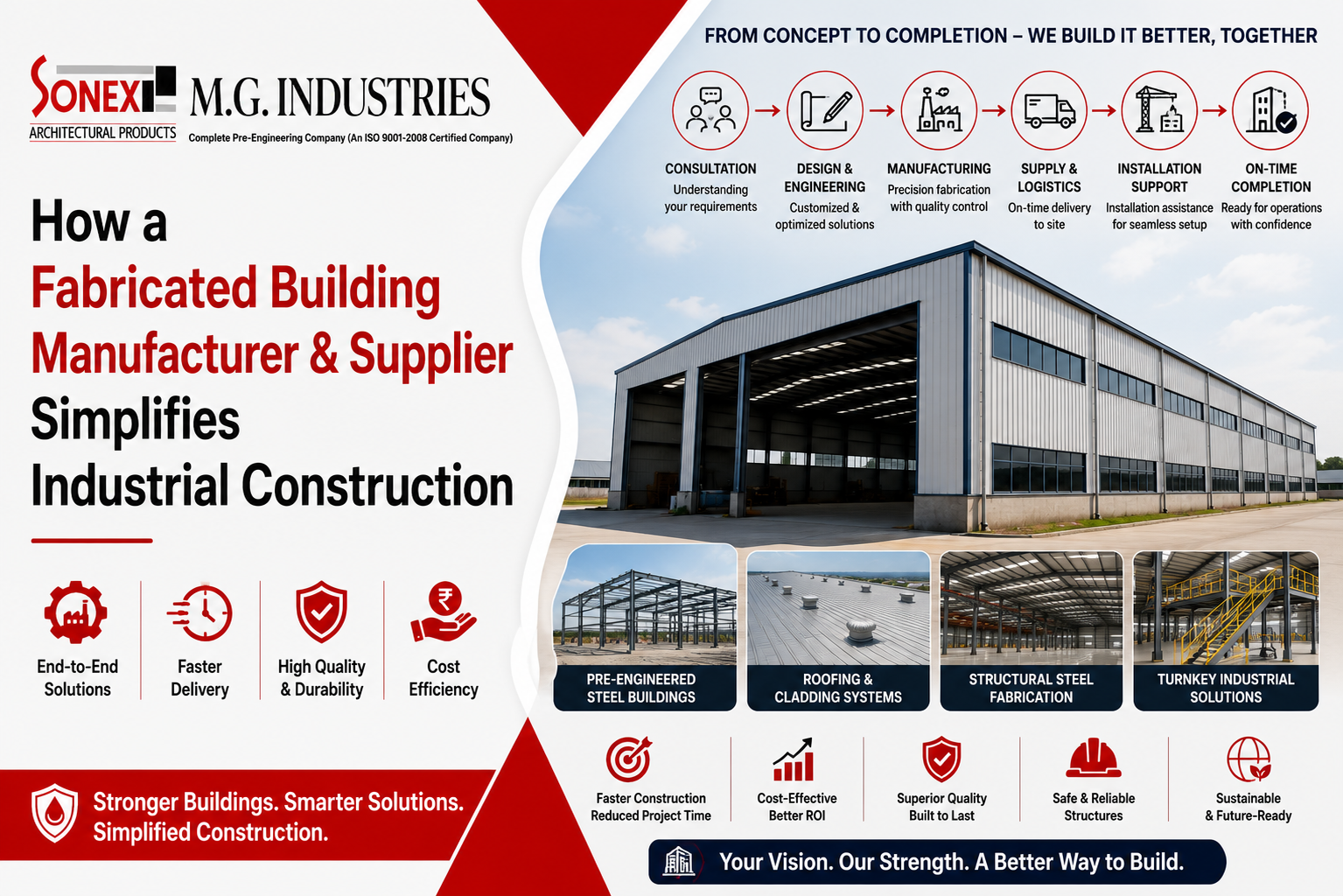
A professional Fabricated Building Manufacturer helps businesses achieve better project coordination by handling critical stages such as:
- Structural design and engineering
- Material selection
- Component fabrication
- Quality inspection
- Transportation planning
- Site installation support
This integrated approach reduces complexity and allows businesses to focus on their core operations while their infrastructure requirements are professionally managed.
The increasing adoption of industrial fabricated structures is also linked to changing business priorities. Companies require facilities that can be built faster, expanded easily, and adapted to future operational needs.
The Role of a Fabricated Building Manufacturer in Modern Industrial Projects
Choosing the right construction partner significantly impacts the success of an industrial project. A reliable manufacturer does much more than supply building components. They provide technical expertise, customised solutions, and project support from planning to completion.
An experienced Fabricated Building Manufacturer typically follows a structured process that ensures accuracy and efficiency.
Design and Engineering Support
Every industrial facility has unique requirements. Manufacturing units, warehouses, logistics centres, and processing plants require different structural designs based on their operations.
Professional manufacturers use engineering expertise to create solutions that consider:
- Building dimensions
- Load requirements
- Operational workflow
- Future expansion possibilities
- Environmental conditions
Precision Manufacturing
Fabrication takes place in controlled environments where quality checks can be performed throughout production.
This reduces errors commonly associated with on-site construction activities and ensures that components meet required specifications.
Faster Installation
Since many components are prepared before reaching the site, installation becomes faster compared to conventional construction methods.
This allows businesses to reduce downtime and start operations sooner.
Expert Commentary on Why Industries Prefer Fabricated Structures
Industry professionals increasingly recommend fabricated building systems for projects where efficiency, durability, and adaptability are important considerations.
A well-planned, fabricated structure provides several advantages over conventional construction methods.
Better Quality Control
Factory-based manufacturing allows better monitoring of materials, dimensions, and fabrication processes.
This controlled environment improves consistency and reduces construction-related uncertainties.
Improved Project Planning
Because fabrication follows detailed engineering plans, businesses can estimate timelines and costs more accurately.
Flexible Design Options
Modern fabricated buildings can be customised according to industry requirements, including:
- Production facilities
- Storage warehouses
- Workshops
- Commercial structures
- Industrial sheds
Long-Term Performance
High-quality steel structures are designed to withstand demanding industrial environments while requiring limited maintenance.
For businesses planning long-term infrastructure investments, fabricated solutions provide a balance between performance and practicality.
Real-World Perspective: How Fabricated Buildings Support Business Growth
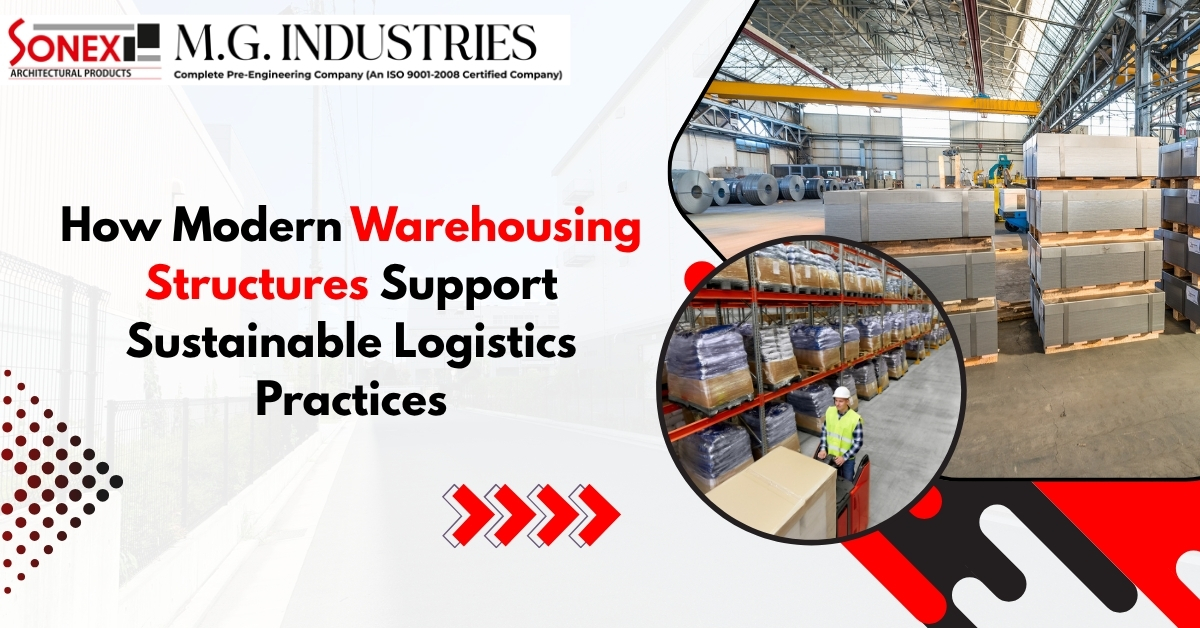
Consider a logistics company expanding its warehouse capacity. The business needs additional storage space quickly to meet increasing demand. A traditional construction approach may require extensive time for material procurement and on-site preparation.
With fabricated building solutions, structural components can be prepared in advance, allowing faster assembly and earlier operational use.
Similarly, manufacturing companies often require facilities that can accommodate future growth. Fabricated buildings offer flexibility because additional sections, extensions, or modifications can be planned more efficiently.
These examples highlight why businesses across manufacturing, logistics, automotive, and commercial sectors are adopting modern industrial construction solutions.
The value is not only in faster construction but also in creating adaptable spaces that support changing business requirements.
Analysis: Key Benefits and Considerations Before Choosing a Manufacturer
Selecting the right partner requires careful evaluation. While fabricated buildings offer many advantages, the outcome depends heavily on the expertise and capabilities of the manufacturer.
Major Benefits of Fabricated Buildings
- Faster project completion compared to many traditional methods
- Better manufacturing precision
- Reduced material wastage
- Flexible design possibilities
- Lower maintenance requirements
- Easier future expansion
- Improved cost control
Common Mistakes to Avoid
Businesses should avoid selecting suppliers only based on initial pricing.
Important factors that should also be considered include:
- Manufacturing experience
- Engineering capabilities
- Quality standards
- Previous project experience
- Material quality
- Installation support
Choosing an inexperienced supplier may result in design limitations, delays, or quality concerns.
A reliable manufacturer focuses on creating value throughout the complete project lifecycle rather than simply delivering materials.
Recommendations: How to Choose the Right Fabricated Building Partner
Before finalising a construction partner, businesses should evaluate their requirements and compare manufacturers based on expertise and reliability.
Review Technical Capabilities
Check whether the manufacturer has experienced engineers and modern fabrication facilities.
Understand Customisation Options
Every industrial project has different requirements. Choose a supplier capable of providing customised structural solutions.
Evaluate Quality Practices
Ask about material standards, testing procedures, and quality control systems.
Consider Long-Term Support
A dependable partner should provide guidance beyond manufacturing, including installation assistance and technical support.
Focus on Value Instead of Only Cost
The cheapest option may not always provide the best long-term performance. Quality, durability, and service reliability should remain important decision factors.
By following these steps, businesses can select solutions that support efficient construction and future growth.
Closing Thoughts
Industrial construction is moving towards smarter, faster, and more efficient methods that support modern business needs. A Fabricated Building Manufacturer plays a crucial role in simplifying construction by combining engineering expertise, precision manufacturing, and customised building solutions. From factories and warehouses to large-scale industrial facilities, fabricated structures provide the flexibility and reliability required for today’s competitive environment. Partnering with an experienced company like MG Industries helps businesses access durable, fabricated building solutions designed for efficient execution, long-term performance, and future expansion.
 20/6 Nuchem Compound, Mathura Road, Faridabad.
 sonexdecor@gmail.com
 +91 9599213709