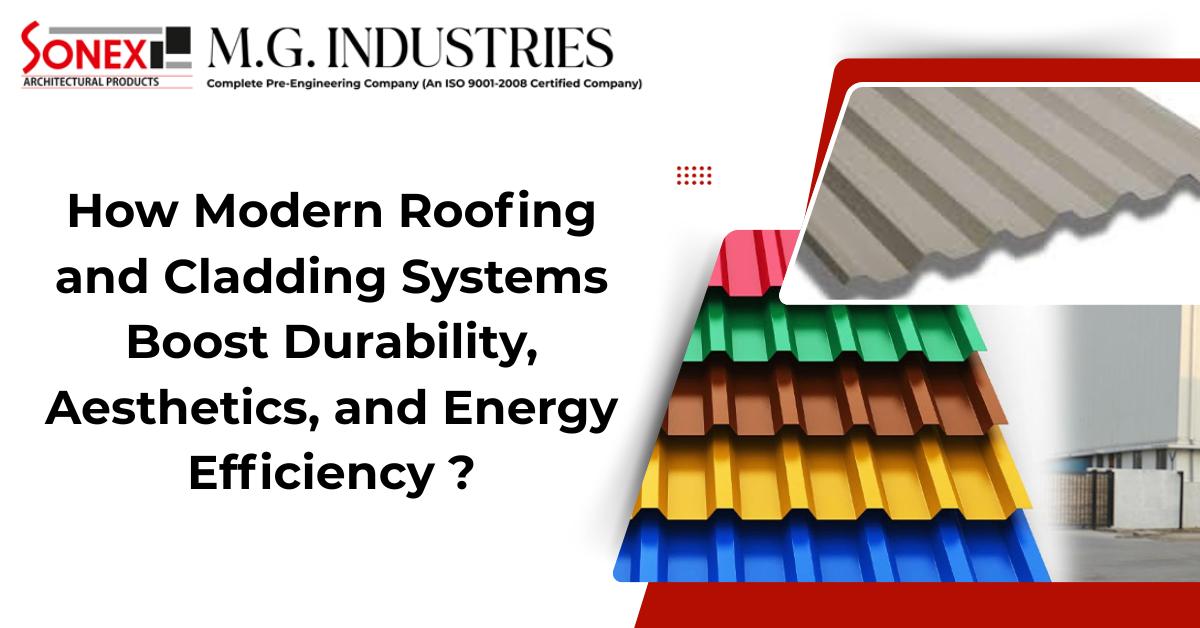
How Modern Roofing and Cladding Systems Boost Durability, Aesthetics, and Energy Efficiency
The modern infrastructure only demands more than functionality - it should be efficient, beautiful, and durable. This is especially true for industrial and commercial buildings, where the form should support the function without compromising on design or energy efficiency. The role of the roof and cladding system has become important in this development, especially in areas such as Delhi NCR, where construction is booming and environmental conditions are diverse.
With rapid industrialization, builders and architects are looking beyond traditional construction methods. Pre-made solutions such as metal roof sheets, untouched wall panels, and high-demonstration cladding profiles are now at the core of smart building strategies. These systems are being adopted not only for their protective capabilities but also for their role in enhancing aesthetics and reducing operating costs through energy savings. A well-designed roof and cladding system provides a spontaneous envelope that opposes the weather, controls temperature, and adds visual consistency in the building.
Structural Durability Factor in Roofing and Cladding Systems
Stability is one of the most important criteria when choosing materials for any industrial or commercial facility. Buildings in India and especially in Delhi NCR are exposed to harsh weather conditions in excessive heat, heavy monsoon, and rising pollution levels. Traditional roofing materials, such as asbestos or earthen tiles, cannot withstand such long-term risk.
Modern roof and cladding systems provide better protection made of geni, galvalume, or PPGI steel, as opposed to rust, leaks, and deformation over time.
In addition, these systems are yet to be engineered to be incredibly strong, which reduces structural loads on the building while maintaining high resistance to environmental stress. Effect resistance is another important advantage, especially for industrial buildings that require roofs and walls to face mechanical activity, topical equipment contact, or falling debris. With proper insulation and water-tongs joints, these systems inhibit moisture seepage, mold formation, and thermal decline, which significantly increases the life cycle of the building.
Aesthetics That Reflect Modern Design and Branding
In an era where warehouses and factories are also expected to reflect the visual identity of the brand, the roof and cladding systems have evolved into architectural features from functional components. They now work as design elements that increase the visual appeal of industrial buildings, office complexes, retail shops and showrooms. Different finish, available in colors and textures, modern clading profiles can turn a dull concrete exterior into a smooth, eye -catching front.
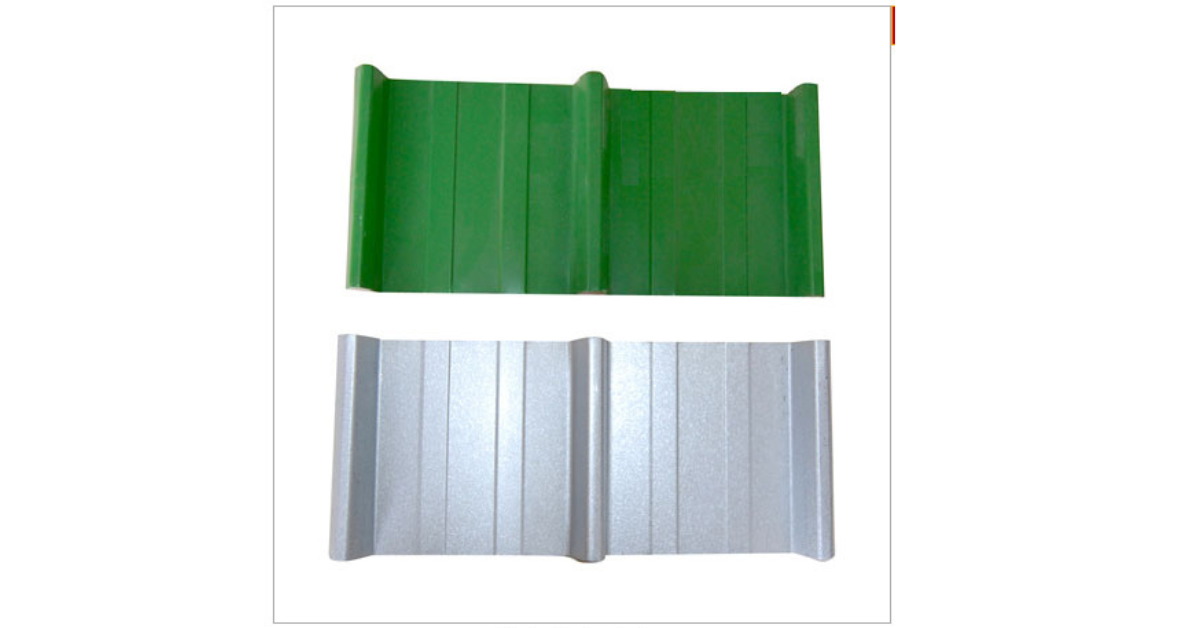
Design flexibility also spreads to geometric shapes and panel layouts, allowing architects to make visually hypnotic external without compromising on performance. Standing seams contribute to all a professional and premium look that supports brand identity, a clean lines of the roof, the structured look of the traposoidal profile, and the insulated sandwich panels that support the brand identity.
In cities such as Gurugram and Noida, where businesses are competing for attention and reliability, the outer part of a feature can have a major role in how a brand is considered. Modern roofs and cladding help to create that permanent impression.
Energy Efficiency Through Smart Envelope Engineering
One of the most important progresses in the roof and cladding systems is its role in improving energy efficiency. Industrial buildings consume large amounts of energy for heating, cooling, and lighting. Poor insulation, roof leakage, and heat absorption can dramatically increase these costs. Modern roof and cladding systems address the issue by integrating thermal insulation, reflective coatings, and air-tight joints that reduce heat transfer and energy loss.
PUF (polyurethane foam) and mineral wool-untouchable panels are used rapidly in both roof and wall cladding applications. These materials provide excellent thermal resistance, which helps maintain a stable internal temperature regardless of external weather. In a climate like Delhi NCR, where summer temperature is often more than 45 ° C, it translates into low air conditioning costs and better workers' comfort.
Additionally, contemplative metal roofs coated with cool-stripped paint help to bounce solar radiation rather than absorbing it. When paired with natural ventilation systems or skylights, they reduce artificial light and dependence on air conditioning. For companies seeking to follow the green building standards or to follow LEED certificates, the energy-skilled envelope design is no longer alternative-that is necessary.
Rapid Construction and Lower Lifecycle Costs
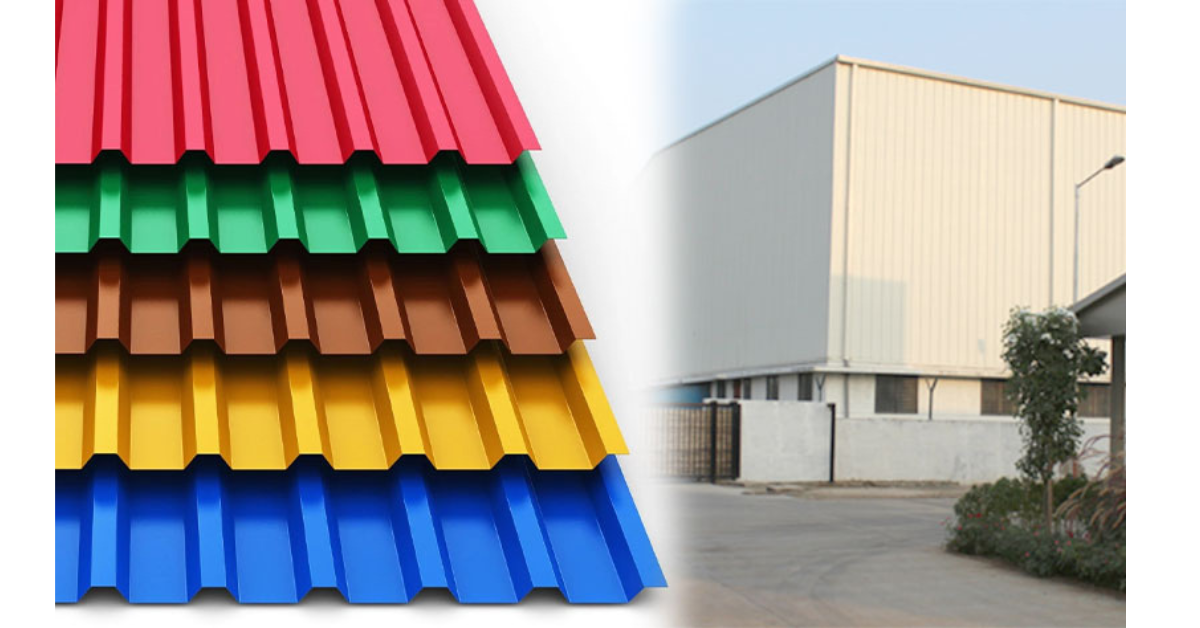
Another advantage of modern roof and cladding systems lies in their ability to speed up the construction timeline. Pre-fabricated panels can be produced off-site and assembled rapidly on the site with minimal labor, leaving the project time and logistics costs. Unlike masonry or concrete-based construction, these systems do not require any treatment time and are less dependent on weather conditions.
Fast-truck installations allow industries and commercial installations to start operations soon, which leads to early returns on investment. In addition, low maintenance requirements and prolonged service life result in low life cycle costs. The well -maintained cladding system can remain above 30 years, making them a cost -effective long -term investment.
The modularity of these systems also allows for easy expansion or modification. If a business wants to add a wing, increase the height of the building, or re -prepare the front, modern roof and cladding can adapt without the need to tear the existing structures.
Smart Engineering for Smarter Infrastructure
Today, modern roof and cladding systems are used in a wide range of areas - from cold storage units and pharmaceutical manufacturing to logistics warehouse and IT campus. Their ability to perform under special requirements, such as temperature control, fire resistance and acoustic insulation, suit them for applications just beyond basic coverage.
For example, cold storage features, high density benefit from PUF-unknown wall and ceiling panels that maintain strict temperature areas. Similarly, educational and healthcare institutions rely on the sandwich panel for cleaneom compliance and soundproofing. Even in multi-level commercial buildings, these systems help reduce weight and improve structural balance.
What is common in all applications is that these systems can distribute both the functionality and form into a harmonious package, something that traditional construction materials often struggle to achieve.
MG Industry: Smart Roofing and Cladding
While discussing the rise of modern roof and cladding systems in India, a name that stands out continuously is MG Industries. As one of the leading manufacturers and service providers in space, MG Industries provides high-demonstration roofs, cladding, and PUF-interacted solutions to suit the needs of today's dynamic infrastructure landscape.
With a deep understanding of years of expertise and project-specific challenges, MG Industries distributes products that meet global quality benchmarks. Their solutions are known for durability, thermal performance, and flexibility, making them preferred options for projects ranging from industrial buildings to commercial showrooms. Through advanced construction features, a skilled team, and strict quality control, MG Industries ensures that every panel and profile is engineered to perform and finally made.
Conclusion
The future of construction is not only about rapid construction - it is about making smarter decisions. Modern roofs and cladding systems represent the smart future that offers stability, design freedom, and energy savings that meet the developed demands of industry and environment. As the scale and structures of businesses become more complicated, building envelopes will play a central role in performance, stability, and brand presentation.
By participating with experienced and forward-minded manufacturers such as MG Industries, developers and architects, their buildings are not only aesthetically impressive, but also structurally flexible and energy-skilled for the coming decades. In the world of construction innovation, this is clear: roofs and cladding are no longer - they are the foundations of the next generation of infrastructure.
Frequently Asked Questions
Roofing and cladding systems are external coverings for buildings that protect against weather, enhance insulation, and improve aesthetics. They’re crucial for durability and energy savings.
They use insulated panels, reflective coatings, and sealed joints that reduce heat transfer and energy consumption, lowering cooling and heating costs significantly.
Yes, they are used across sectors like warehousing, cold storage, healthcare, education, retail, and more, offering tailored solutions for diverse functional needs.
When properly installed and maintained, high-quality systems can last 25 to 40 years, providing long-term value and minimal upkeep.
 20/6 Nuchem Compound, Mathura Road, Faridabad.
 sonexdecor@gmail.com
 +91 9599213709




