In an era where environmental responsibility is no longer optional but essential, the logistics industry is undergoing a remarkable transformation. Businesses are now realizing that sustainability isn’t
just about reducing carbon footprints—it’s about optimizing operations for efficiency, longevity, and cost-effectiveness. At the heart of this change lies modern warehousing structures, which play a pivotal role in driving sustainable logistics practices. From energy-efficient construction to smart design and renewable integrations, today’s warehouses are setting new benchmarks for eco-friendly industrial infrastructure.
The Shift Toward Sustainable Warehousing
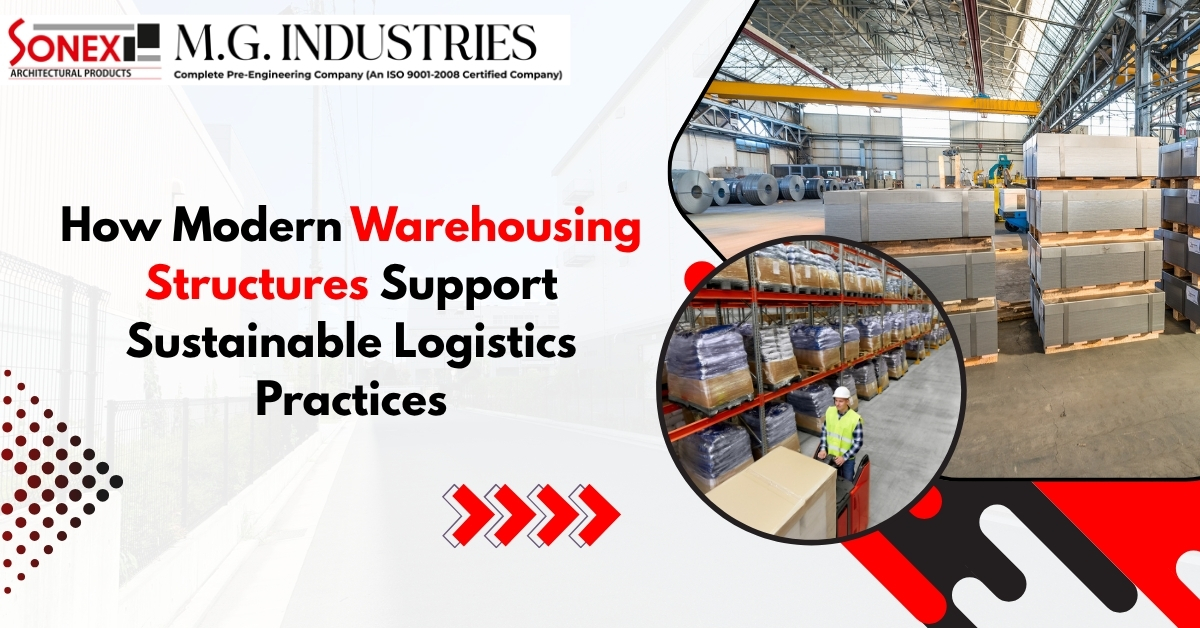
Traditional warehousing models were primarily built for functionality and storage capacity. However, the growing emphasis on sustainability, coupled with increasing government regulations and corporate ESG (Environmental, Social, and Governance) goals, has pushed industries to rethink their approach. Modern warehousing structures are no longer just storage spaces—they are energy-efficient, environmentally responsible hubs designed to reduce waste, optimize resources, and improve overall supply chain sustainability.
The transition toward sustainable warehousing is being fueled by innovative construction technologies, advanced materials, and a focus on long-term operational savings. Companies are adopting these models not only to comply with environmental norms but also to build resilience and brand credibility in an increasingly conscious market.
Energy Efficiency Through Smart Design
One of the most significant contributions of modern warehousing structures to sustainable logistics is their emphasis on energy efficiency. Contemporary designs utilize natural lighting through skylights and translucent roofing panels, significantly reducing dependency on artificial lighting during daytime operations. Roofs are also being designed with reflective or insulated materials to minimize heat absorption, which helps in reducing energy consumption for cooling systems.
In addition, modern warehouses incorporate advanced ventilation systems that regulate temperature and improve air circulation, ensuring a comfortable and energy-efficient environment for workers and goods. The integration of LED lighting, energy management systems, and motion sensors further cuts down unnecessary power use. These innovations, while environmentally beneficial, also translate into considerable operational cost savings over time.
Sustainable Construction Materials and Methods
Another key aspect of eco-friendly warehousing lies in the materials and methods used for construction. The adoption of Pre-Engineered Buildings (PEBs) and steel structures has revolutionized the warehousing sector. Unlike conventional construction that involves high levels of cement and debris, PEBs are designed for precision, minimize waste, and can be easily recycled at the end of their lifecycle.
High-quality steel used in these structures offers durability, corrosion resistance, and ease of maintenance—all contributing to sustainability. The modular nature of PEBs also allows for quick assembly and future expansion without significant environmental disruption. By opting for sustainable materials and efficient construction techniques, businesses can drastically lower their carbon emissions and environmental impact from the very beginning of their project.

Optimized Space Utilization and Reduced Footprint
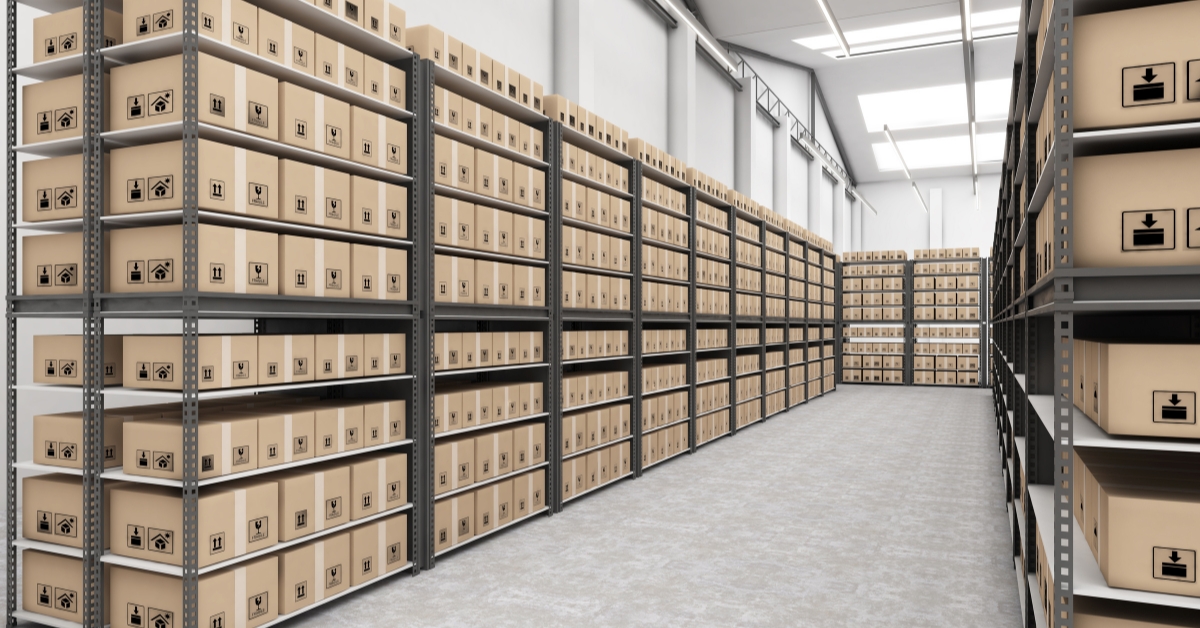
Sustainable warehousing is not just about energy or materials—it’s also about space optimization. Modern designs focus on vertical expansion through mezzanine floors and racking systems rather than horizontal sprawl. This approach reduces the land footprint while maximizing storage capacity, enabling companies to operate efficiently without consuming excessive real estate.
Automated storage and retrieval systems (ASRS) further improve operational efficiency by minimizing material handling time and optimizing movement within the warehouse. The result is a more productive facility that uses fewer resources to deliver higher output—an essential aspect of sustainable logistics.
Integration of Renewable Energy Solutions
The integration of renewable energy sources like solar power is a defining feature of modern warehousing structures. Large roof areas in warehouses offer an ideal platform for solar panel installations, enabling companies to generate clean energy on-site. This not only reduces dependence on conventional electricity but also cuts down on operational costs in the long run.
Some advanced facilities also explore hybrid energy solutions, combining solar and wind power for enhanced reliability. Battery storage systems are being adopted to store excess energy for later use, ensuring uninterrupted operations even during outages. These renewable integrations align perfectly with sustainability goals while promoting long-term self-sufficiency.
Water Management and Waste Reduction
Water conservation and waste management form another critical component of sustainable warehousing. Rainwater harvesting systems are being installed in modern facilities to collect and reuse water for landscaping and non-potable applications. Similarly, wastewater treatment units are employed to recycle water for industrial cleaning and other processes.
In terms of waste management, warehouses are increasingly adopting segregation practices, ensuring that recyclable materials such as plastics, metals, and paper are processed responsibly. Green logistics strategies also emphasize reducing packaging waste, optimizing shipment sizes, and reusing materials wherever possible—all supported by smart warehouse design and planning.
Smart Technologies Driving Sustainable Operations
The rise of Industry 4.0 technologies has further strengthened the role of modern warehousing in sustainable logistics. Smart sensors, IoT-enabled monitoring systems, and data analytics tools help warehouse managers track energy consumption, temperature levels, and equipment performance in real time. Predictive maintenance ensures that equipment operates efficiently, preventing energy losses due to malfunction or overuse.
Artificial intelligence and automation also contribute to sustainability by optimizing storage layouts, improving routing efficiency, and minimizing idle time for vehicles and material-handling equipment. These technologies ensure that every unit of energy and space is used effectively, aligning warehousing operations with broader environmental goals.
Economic and Environmental Benefits of Sustainable Warehousing
The benefits of modern sustainable warehousing extend beyond environmental gains. Businesses adopting such structures enjoy lower operational costs, reduced maintenance requirements, and increased asset lifespan. Moreover, energy-efficient warehouses contribute to improved employee health and productivity by providing better air quality and comfortable working conditions.
From an environmental perspective, reduced emissions, minimal waste generation, and efficient use of natural resources collectively contribute to lowering the carbon footprint. In addition, companies that embrace sustainable logistics practices often gain a competitive advantage by appealing to eco-conscious customers and meeting regulatory expectations with ease.
The Future of Sustainable Logistics
As the logistics and supply chain sectors continue to evolve, sustainability will remain a central pillar of progress. The future of warehousing lies in fully integrated, intelligent, and green facilities that operate harmoniously with the environment. With government policies encouraging green infrastructure and technological advancements making sustainability more accessible, more businesses are expected to adopt eco-friendly warehouse models in the coming years.
The evolution of warehousing structures from simple storage units to smart, sustainable hubs represents a broader shift toward responsible industrial growth. Companies investing in such infrastructure today are positioning themselves as leaders in the sustainable logistics revolution.
Conclusion
Modern warehousing structures have become the backbone of sustainable logistics, combining energy efficiency, intelligent design, renewable integration, and responsible resource management. These innovations not only enhance operational performance but also contribute to the global goal of building a greener future.
For industries looking to adopt sustainable warehousing solutions, MG Industries stands as a trusted partner. With expertise in designing and constructing advanced warehousing structures that prioritize efficiency and sustainability, MG Industries continues to lead the way in developing facilities that align with modern environmental and business standards.
 20/6 Nuchem Compound, Mathura Road, Faridabad.
 sonexdecor@gmail.com
 +91 9599213709