How Multi-Storey Mezzanine Steel Building Designs Are Transforming Urban Industrial Spaces
In the race to optimize industrial real estate, the multi-storey mezzanine steel buildinghas become a transformational innovation. Whether for storage, manufacturing, or office expansion, these steel structures provide flexibility and durability that traditional construction methods often fail to provide. By integrating the mezzanine floor within the steel framework, these buildings maximize the vertical location without expanding the ground footprint, addressing the spatial boundaries of the dense urban landscape.
The Growing Importance of Vertical Expansion in Urban Areas
Urban industrial areas face increasing pressure to adjust more within a limited location. Since the land becomes expensive, especially in cities, vertical growth is the only viable solution for scalability. Multi-storey Mezzanine Steel Building presents an opportunity to expand upwardly, maintaining compliance with structural integrity and modern engineering standards for businesses. These systems are being adopted in manufacturing hubs, logistics centers, godowns, and commercial complexes, underlining their adaptability and long-term utility.
Engineering Flexibility and Structural Efficiency
The identity of a multi-storey mezzanine Steel Building is accurate. These buildings are prepared using high-grade steel components, which ensure similar quality and stability. Modular in nature, they can be collected, extended, or even transferred with minimal disruption. The use of structural steel provides a strength-to-weight ratio benefit, enabling large column-free spaces required for industrial workflows.
Cost and Time Advantages Over Traditional Construction
One of the standout benefits of a multi-storey mezzanine steel building is its cost-effectiveness. Compared to brick-and-mortar structures, these steel buildings significantly reduce the construction deadline. The prefibulation design-to-installation reduces the cycle, which means that businesses can move rapidly, reduce downtime, and start generating returns more quickly. The controlled factory production process also reduces material waste and labor costs, making this solution both environmentally friendly and economical.
Customization for Industry-Specific Needs
Multi-storey mezzanine steel buildings are not a size-fit-all. They are perfectly optimized to match operating demands, including floor loading capacity, column vacancy, and roof height. Manufacturing units may require heavy fees for mezzanine flooring for machinery, while logistics companies may require adapted cold storage and racking configurations. Whether it is for IT offices on the upper floors or wholesale storage, structural safety or design integrity accepts different needs without compromising integrity.
Sustainability and Environmental Considerations
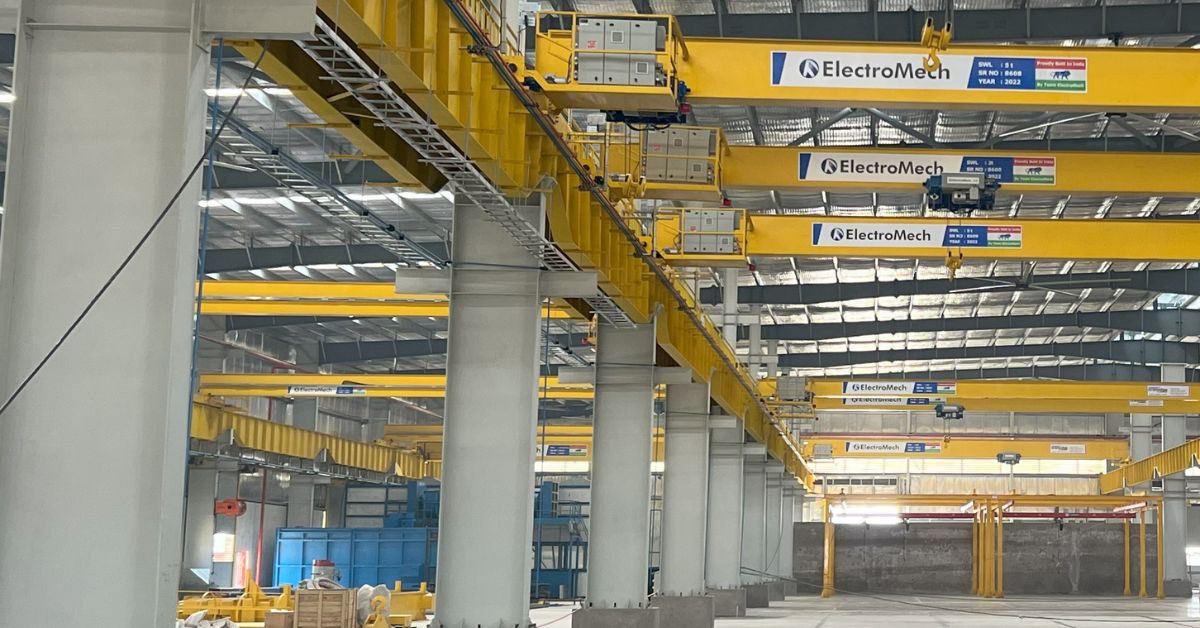
Steel is not only durable, but also recycled, which contributes to the stability of mezzanine buildings. Additionally, because these structures use low material and energy during construction, they reduce the overall environmental footprint. The integration of energy-skilled light, insulation systems, and ventilation further enhances their stability quotient. For companies seeking to meet the green building standards or obtain an environmental certificate, the multi -storey mezzanine steel building provides a compelling route.
Enhancing Operational Flow and Productivity
An efficient space plan directly affects productivity. With mezzanine flooring, businesses can separate operating areas without expanding their space horizontally. For example, storage can be placed at a level, while assembly or office functions occupy others. It streamlines multi-level separation workflow, reduces internal congestion, and optimizes labor allocation. In industries where operational speed and inventory management are important, this spatial strategy is a major performance booster.
Safety Standards and Compliance Integration
Modern mezzanine steel buildings follow rigorous safety standards, including load-bearing rules, fire resistance, and seismic security. Anti-slip surfaces, strong railing systems, and emergency withdrawals are integral parts of path design. Engineers work closely with security auditors and regulatory bodies to ensure complete compliance with local building codes and commercial safety criteria. These factors not only ensure welfare to the worker but also reduce long-term liability risks for business owners.
Role in the Digital and E-Commerce Boom
The rapid growth of e-commerce has created an essential demand for high-density, efficient storage and distribution locations. Multi-storey mezzanine steel buildings are ideal for meeting this demand. They enable e-retailers and 3PL providers to stack goods in vertical levels while keeping the ground level free for inbounds and outbound operations. The structural adaptation capacity of these buildings allows integration with automated systems such as conveyors, forklifts, and AI-operated inventory trackers, making them essential for modern warehousing needs.
Future Outlook for Multi-Storey Steel Structures
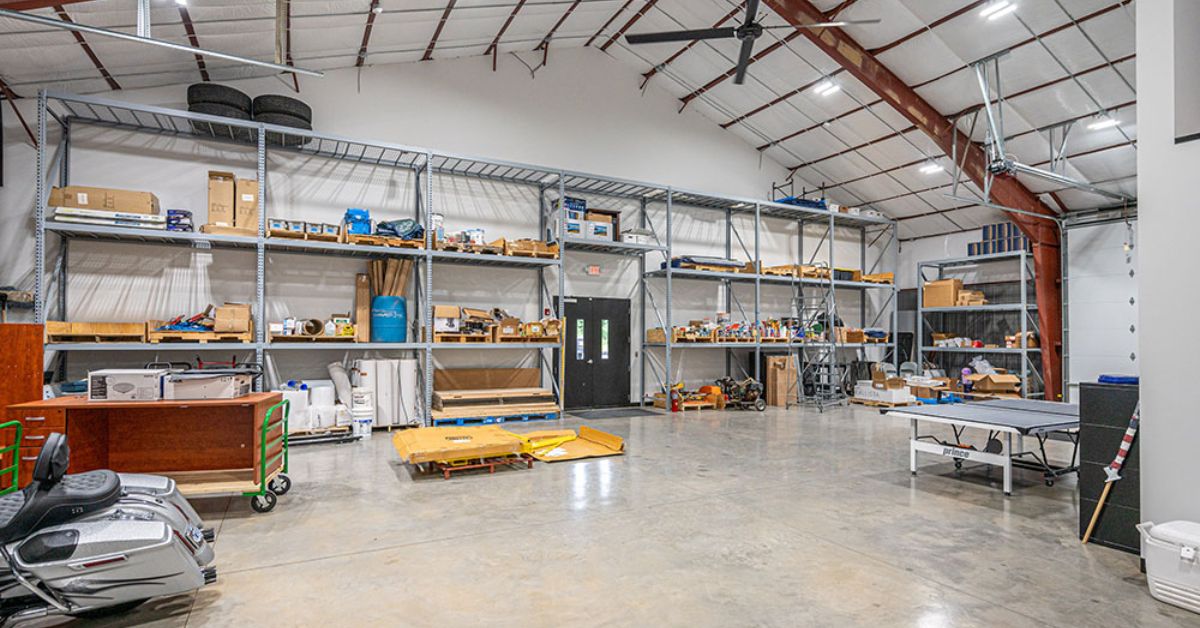
As the urban expansion continues, the relevance of the vertical industrial infrastructure will only increase. Smart cities, green construction policies, and industry 4.0 technologies will all depend on flexible building formats such as mezzanine steel models. Integration of IOT sensor, modular robotics, and energy management systems in future mezzanine buildings can set new benchmarks in smart construction. In the long run, these structures do not only serve the industry - they will shape it.
Conclusion
Multi-storey Mezzanine Steel Building is at the intersection of innovation, utility, and stability. From maximizing real estate capacity to enabling scalable growth, these structures are important to meet the complex demands of urban industrial development. For future companies seeking their operations, investment in Mezzanine Steel Building is not only logical-this is necessary. A prominent name in industrial construction,MG Industries, Custom-built, code-compliant mezzanine steel buildings that meet evolving business needs with precision and performance.
Frequently Asked Questions
It is typically used to maximize vertical space in warehouses, manufacturing units, and distribution centers for storage, production, or office use.
Construction timelines are significantly shorter than traditional methods, often completed within weeks due to prefabrication.
Yes, these structures are modular and can be easily modified, expanded, or moved to a new location with minimal disruption.
Absolutely. They adhere to local building codes, fire safety regulations, and structural load requirements for secure and legal operation.
 20/6 Nuchem Compound, Mathura Road, Faridabad.
 sonexdecor@gmail.com
 +91 9599213709




