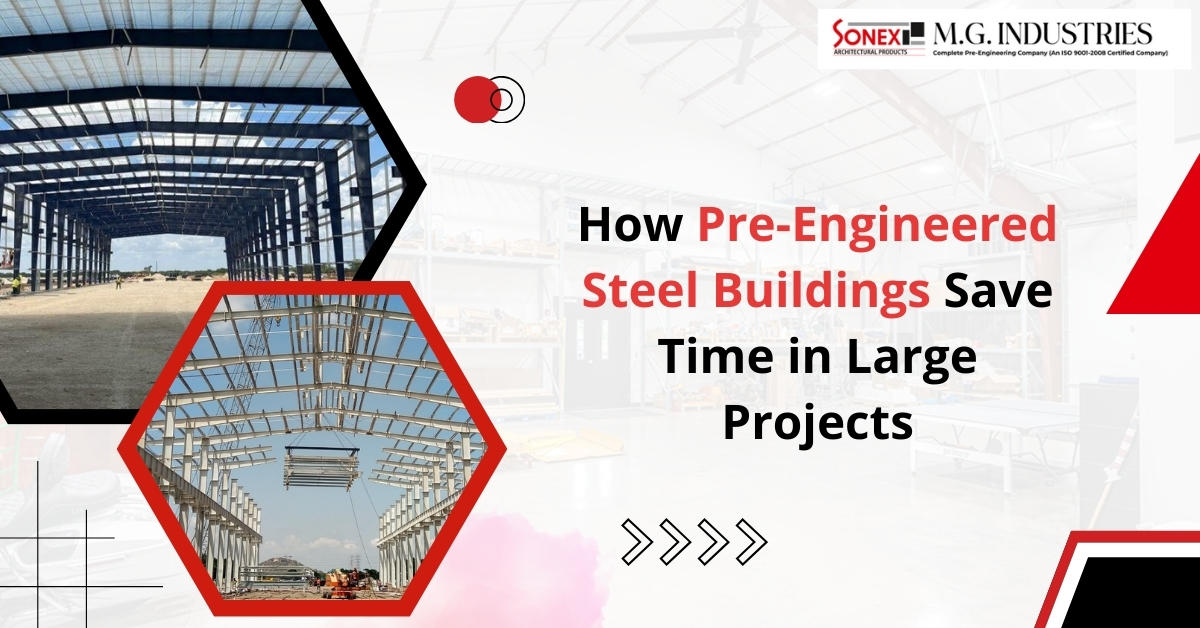
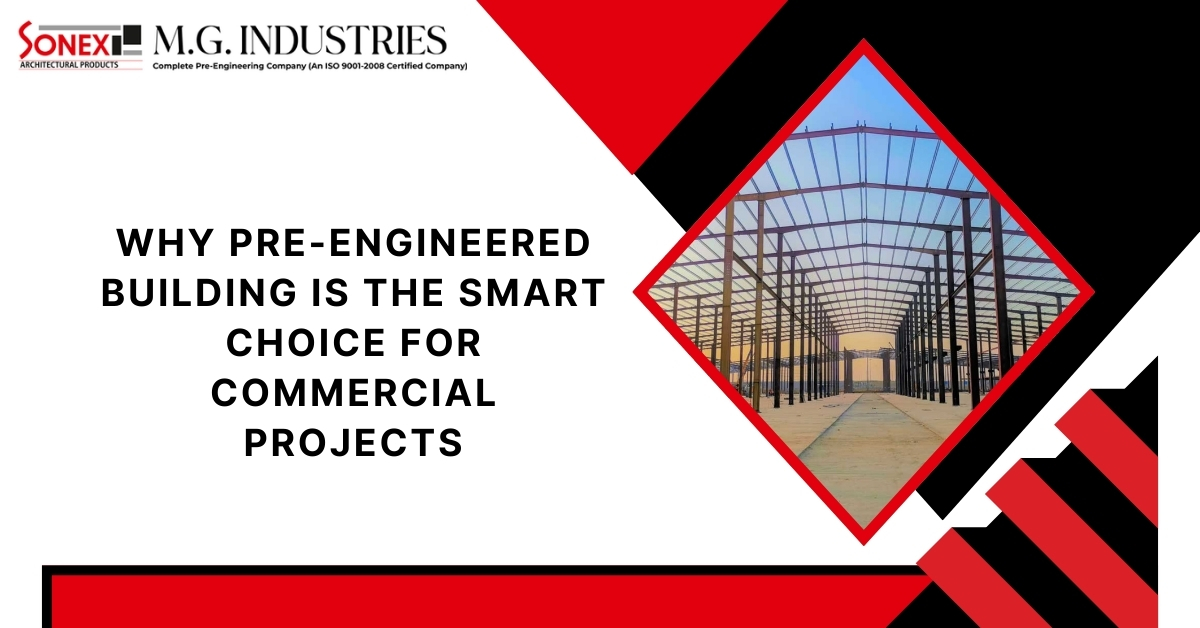
In the modern construction industry, time is often the most critical factor. Whether it’s a commercial complex, an industrial warehouse, or a large-scale infrastructure project, every stakeholder is looking for ways to reduce timelines without compromising on quality. This is where pre-engineered steel buildings (PEBs) have gained immense popularity. These structures are designed, fabricated, and assembled in a way that cuts down project duration significantly. In addition to speed, they bring efficiency, cost-effectiveness, and sustainability to the table, making them the ideal choice for large projects.
What are Pre-Engineered Steel Buildings?
Pre-engineered steel buildings, often referred to as PEBs, are modern construction solutions where most of the components are manufactured in factories before being delivered to the site. Instead of the traditional method of constructing everything on-site, PEBs use pre-fabricated sections, including beams, columns, roof trusses, and wall panels. Once these components reach the construction site, they can be quickly assembled with bolts, nuts, and welding. This off-site preparation not only reduces construction time but also ensures higher quality standards, as the components are manufactured under controlled factory conditions.
Faster Design and Planning Process
One of the major advantages of PEBs is the speed of design. Traditional construction often requires detailed engineering and customization that can take weeks or even months to finalize. In contrast, pre-engineered buildings follow standardized design codes and utilize advanced software to create models rapidly. Since the structural elements are pre-tested and standardized, the design phase is streamlined, reducing the overall project preparation time. For large projects where time is critical, this benefit alone can shave weeks off the schedule.
Efficient Fabrication in Controlled Environments
A big contributor to time savings in pre-engineered steel buildings is the off-site fabrication process. All the steel components are manufactured in a controlled factory environment where quality control is strict and weather conditions do not affect production. Unlike traditional construction, where rain or other environmental challenges can delay progress, factory fabrication ensures continuous and uninterrupted work. As a result, while site preparation is happening simultaneously, the components are being fabricated, essentially cutting project time in half.
Quick and Simple On-Site Assembly
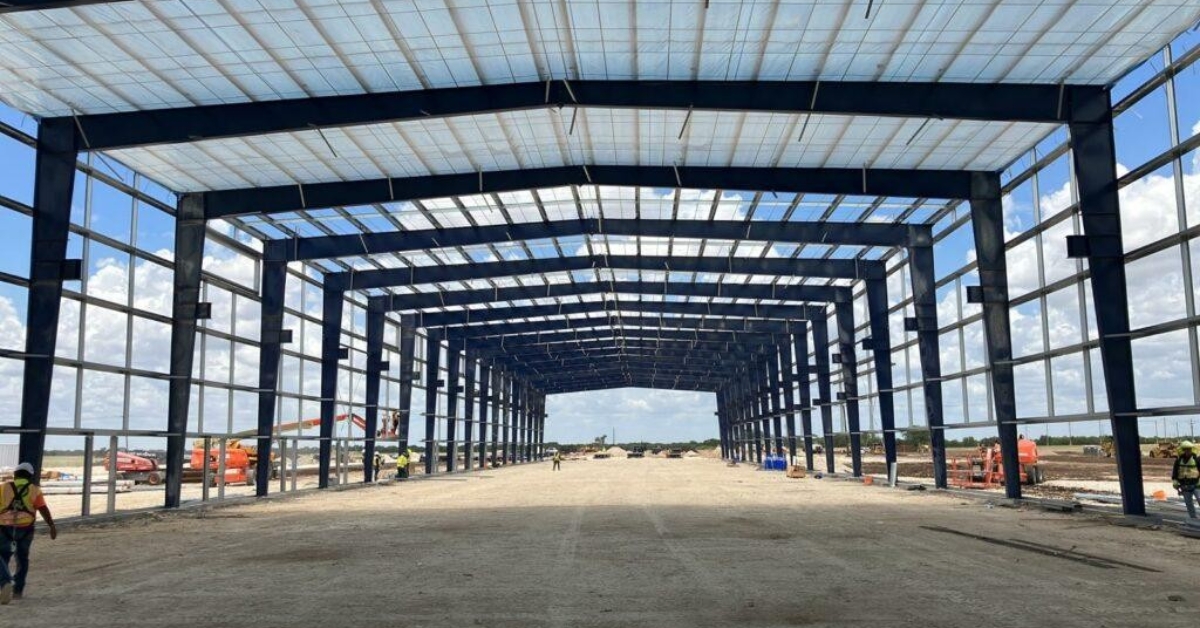
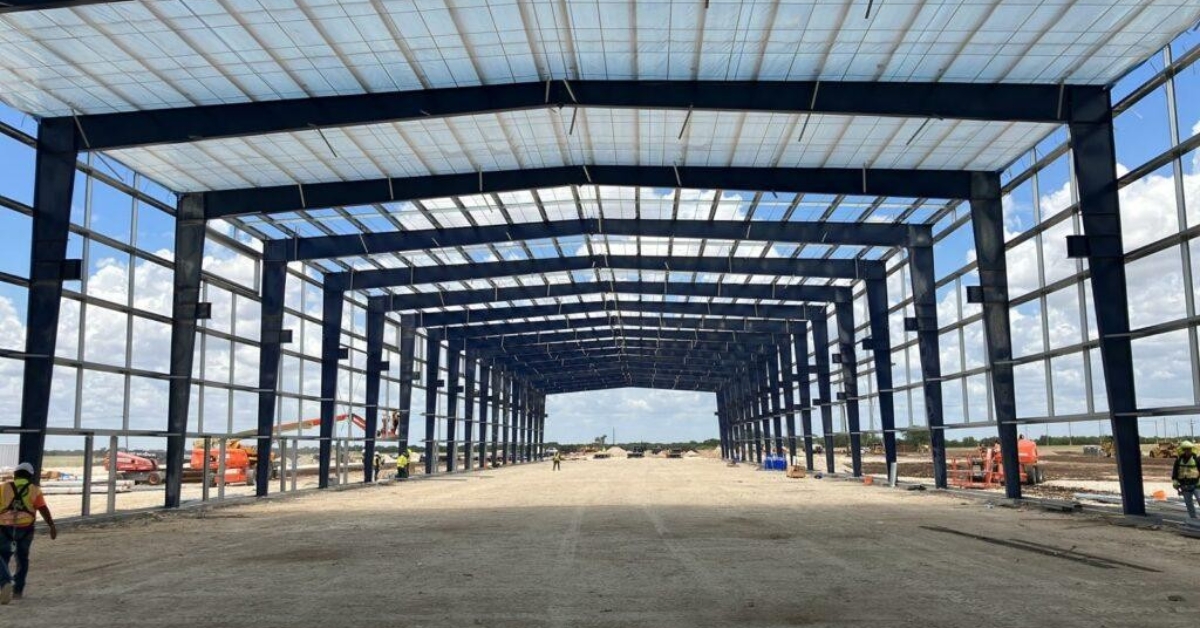
Once the components are ready, transporting them to the site and assembling them is significantly faster compared to traditional methods. The pre-fabricated parts come with detailed assembly instructions and often require only bolting and welding. For large warehouses, industrial sheds, or commercial structures, this means a building can be erected within weeks instead of months. Skilled workers and modern equipment make the assembly process efficient, minimizing labor-intensive tasks and reducing errors. This also improves workplace safety, as less time spent on scaffolding and complex construction translates to fewer risks.
Reduced Dependency on Skilled Labor
In traditional projects, skilled masons, carpenters, and heavy labor are required for months at a time. Recruiting and managing this labor force often causes delays, especially in large projects. With pre-engineered steel buildings, the dependency on such skilled labor is reduced. Most of the work involves simple assembly, which can be handled by smaller teams with basic training. This not only speeds up the process but also reduces costs associated with hiring and retaining large labor forces over extended project timelines.
Parallel Project Execution
Another unique advantage of PEBs is the ability to execute different parts of the project in parallel. While the steel components are being fabricated off-site, groundwork such as foundation work, site leveling, and utility installations can happen simultaneously. By the time the foundation is ready, the steel components are already prepared for delivery and assembly. This overlap of activities eliminates idle waiting periods, ensuring a seamless flow of project stages and significant time savings.
Lower Risk of Delays
Large projects are often plagued by delays due to weather, supply chain disruptions, or on-site mismanagement. Pre-engineered steel buildings minimize these risks because most of the critical work is done in the factory. Weather has little impact on the overall progress since only the assembly stage happens outdoors. Additionally, because the steel components are standardized and fabricated in advance, supply chain delays are minimized. This reliability ensures that projects are completed on or before deadlines, which is especially important for industries where time-to-market is a crucial factor.
Scalability and Future Expansion
Another time-saving factor with pre-engineered steel buildings is the ease of expansion. Many large projects require future scalability, such as extending a warehouse or adding sections to a commercial building. With PEBs, expansion is straightforward because the modular design allows additional components to be integrated quickly. This future-ready feature means businesses save time not only during the initial construction but also when they decide to grow their operations later.
Case Studies of Time Savings in Large Projects
Across industries, real-world examples highlight how pre-engineered steel buildings drastically cut timelines. Industrial warehouses that would typically take six months to complete using traditional methods are often completed in three months using PEBs. Similarly, manufacturing facilities, aviation hangars, and commercial complexes have all benefited from rapid construction, enabling businesses to start operations faster. In infrastructure-heavy sectors, saving time translates directly into financial advantages, giving PEBs a competitive edge over conventional construction.
Sustainability and Long-Term Benefits
While time savings are the most prominent benefit, it is worth noting that pre-engineered steel buildings also contribute to long-term sustainability. The controlled fabrication process reduces material wastage, while steel itself is recyclable. Faster construction means less disruption to the surrounding environment and communities. These factors, combined with durability and low maintenance, ensure that PEBs are not just time-efficient but also sustainable solutions for large projects.
Conclusion
Time is money in the construction world, and pre-engineered steel buildings offer an unmatched advantage in this area. From faster design and fabrication to quick assembly and reduced dependency on labor, PEBs ensure that large projects are completed in record time without sacrificing quality. They also minimize risks, allow parallel project execution, and provide easy scalability for future needs. As industries continue to demand speed and efficiency, pre-engineered steel buildings have established themselves as the go-to choice for large projects. For those looking to save time and maximize efficiency, partnering with an experienced provider like [MG Industries] is the best way forward, as they bring both expertise and reliability to every project.
 20/6 Nuchem Compound, Mathura Road, Faridabad.
 sonexdecor@gmail.com
 +91 9599213709