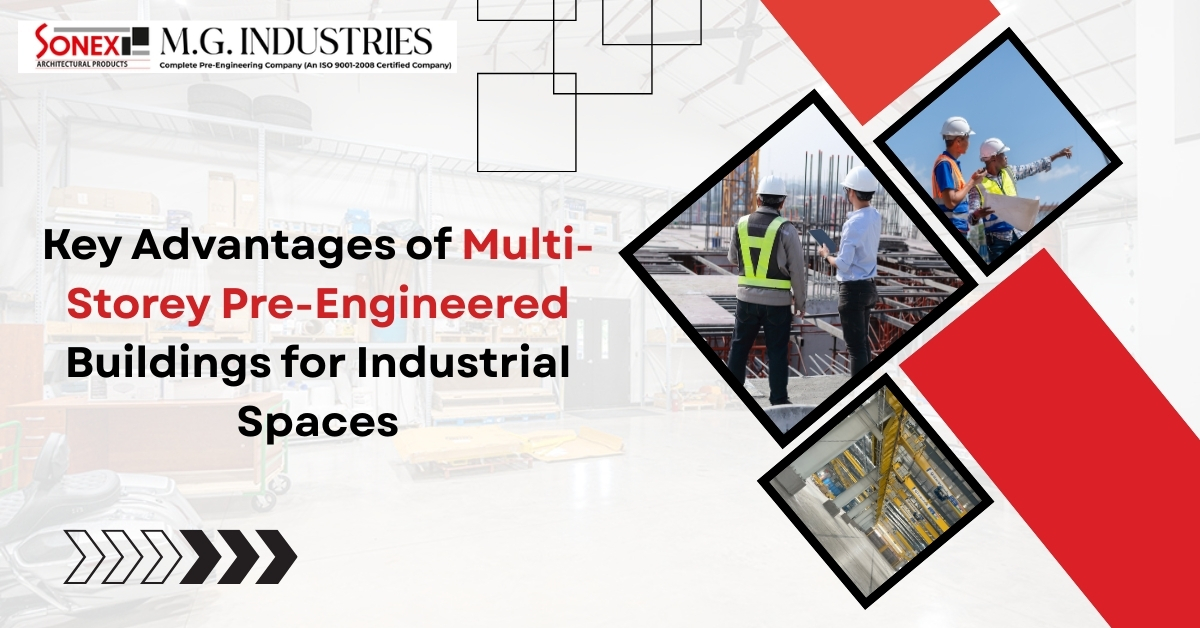
In the rapidly evolving industrial sector, businesses are constantly seeking construction solutions that offer speed, flexibility, durability, and cost-effectiveness. Multi-storey pre-engineered buildings (PEBs) have emerged as a game-changing solution for industrial spaces, providing all these benefits while maximizing usable space. Unlike conventional construction methods, which are often time-consuming and rigid, multi-storey PEBs offer a streamlined approach to building structures that cater to modern industrial demands.
These buildings are designed using high-quality steel components that are fabricated in controlled factory environments and then assembled on-site. This process reduces construction time, minimizes errors, and ensures consistency in quality. For industrial operations such as warehouses, manufacturing units, and logistics centers, multi-storey PEBs offer significant advantages that make them an ideal choice in today’s competitive market.
Efficient Space Utilization in Industrial Settings
One of the most notable advantages of multi-storey pre-engineered buildings is their ability to optimize space. In urban and semi-urban areas where land costs are high, maximizing vertical space is essential. Multi-storey PEBs allow industries to expand upwards rather than outwards, providing more operational area without the need for additional land.
This vertical expansion is particularly beneficial for industries that require high storage capacity, such as logistics, warehousing, and cold storage facilities. With fewer columns and clear-span floors, multi-storey PEBs offer flexible layouts, enabling businesses to design their interiors according to specific operational requirements. This flexibility ensures efficient workflow and smooth material handling, which are critical for industrial productivity.
Reduced Construction Time and Faster Project Completion
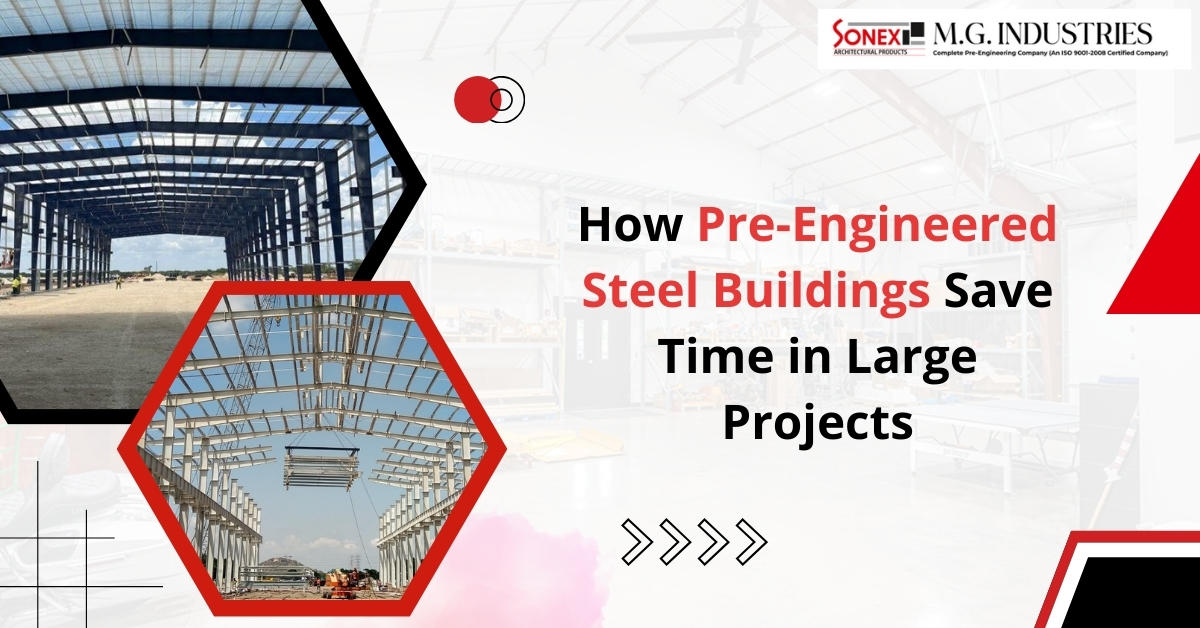
Time is a critical factor in industrial construction, and multi-storey pre-engineered buildings excel in this regard. Since the components of a PEB are manufactured in a controlled factory setting, construction can proceed simultaneously with site preparation. This parallel approach significantly shortens the overall project timeline compared to traditional construction methods.
For industrial companies, faster construction translates to quicker operational readiness. Warehouses, production units, or logistics hubs can start functioning earlier, ensuring that businesses can capitalize on market opportunities without long delays. Additionally, reduced construction time also means lower labor costs and fewer on-site disruptions, contributing to overall project efficiency.
Cost-Effectiveness and Long-Term Savings
Cost efficiency is a major reason why multi-storey pre-engineered buildings are preferred for industrial spaces. The precision fabrication of components reduces material wastage, while standardized design processes optimize resource utilization. Industries benefit from predictable budgeting and reduced unexpected expenses associated with conventional construction.
In addition to initial cost savings, multi-storey PEBs offer long-term financial advantages. Steel structures are highly durable and resistant to corrosion, pests, and environmental wear and tear. This durability minimizes maintenance costs over the building’s lifespan, ensuring that industrial operations remain uninterrupted and economically sustainable.
Structural Strength and Durability
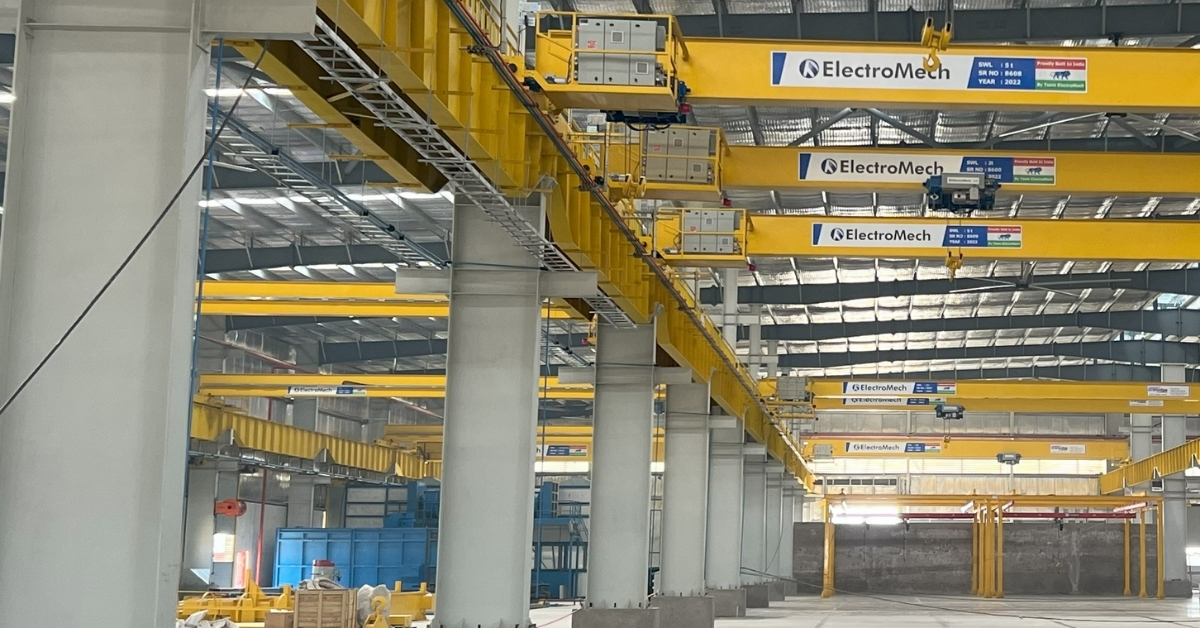
Industrial operations often involve heavy machinery, high foot traffic, and storage of bulky materials. Multi-storey pre-engineered buildings are designed to withstand these rigorous demands. High-grade steel components provide superior structural strength, enabling the building to bear heavy loads and resist external forces such as wind, seismic activity, or snow.
The durability of multi-storey PEBs ensures long-term reliability, which is crucial for industries that depend on uninterrupted production and storage capabilities. Unlike conventional buildings, which may require frequent structural reinforcement, pre-engineered steel buildings maintain their integrity with minimal intervention, providing peace of mind for business owners.
Flexibility and Customization for Industrial Needs
Every industrial facility has unique operational requirements, and multi-storey pre-engineered buildings offer unmatched flexibility. The modular nature of PEB components allows customization in layout, floor height, and functional zones. Businesses can integrate mezzanine floors, storage racks, office areas, or specialized zones for production and assembly without compromising structural integrity.
Furthermore, industries can modify or expand the structure in the future as operational needs evolve. This adaptability makes multi-storey PEBs a sustainable choice for growing businesses that require scalable infrastructure without incurring the high costs of demolition and reconstruction.
Sustainability and Eco-Friendly Construction
Sustainability is a growing concern in the industrial sector, and multi-storey pre-engineered buildings align with eco-friendly construction principles. Steel, the primary material used in PEBs, is highly recyclable and reduces dependency on non-renewable resources. The controlled factory production process minimizes material wastage and energy consumption compared to conventional construction.
Additionally, multi-storey PEBs can be designed with energy-efficient roofing, insulation, and ventilation systems that reduce operational energy costs. For industrial spaces such as cold storage units or manufacturing plants, these features provide both environmental and economic benefits, reinforcing the role of PEBs in sustainable industrial development.
Safety and Compliance Advantages
Safety is paramount in industrial environments, and multi-storey pre-engineered buildings meet stringent building codes and safety standards. The precision engineering and standardized fabrication process ensure that each component meets quality and structural specifications. This reduces the risk of structural failure and enhances workplace safety.
Moreover, PEBs can be designed to accommodate fire safety measures, emergency exits, and proper load distribution. For industries operating under regulatory oversight, compliance with safety standards is not only a legal requirement but also a factor in safeguarding employees and protecting assets.
Ideal for Diverse Industrial Applications
Multi-storey pre-engineered buildings are suitable for a wide range of industrial applications. From warehousing and logistics hubs to manufacturing facilities, cold storage units, and pharmaceutical plants, PEBs provide versatile solutions. The combination of clear-span floors, high ceilings, and flexible layouts makes these buildings adaptable to evolving industry requirements.
Industries that require heavy machinery or specialized storage conditions, such as automotive component manufacturers or electronics assembly units, can benefit from PEBs’ strength and design versatility. By accommodating diverse operational needs, multi-storey PEBs reduce the need for multiple facility types, streamlining business operations.
Conclusion
Multi-storey pre-engineered buildings represent a significant advancement in industrial construction, offering speed, flexibility, cost savings, and sustainability. From efficient space utilization and faster project completion to structural strength and design adaptability, PEBs address the core challenges faced by modern industrial enterprises.
For businesses seeking reliable and future-ready industrial infrastructure, multi-storey pre-engineered buildings provide a smart, scalable, and cost-effective solution. Trusted industry leaders like MG Industries continue to deliver world-class PEB solutions, combining innovative engineering with high-quality materials to support diverse industrial projects. By choosing multi-storey pre-engineered buildings, industrial operators can maximize productivity, reduce operational costs, and secure long-term reliability in an ever-changing business landscape.
 20/6 Nuchem Compound, Mathura Road, Faridabad.
 sonexdecor@gmail.com
 +91 9599213709