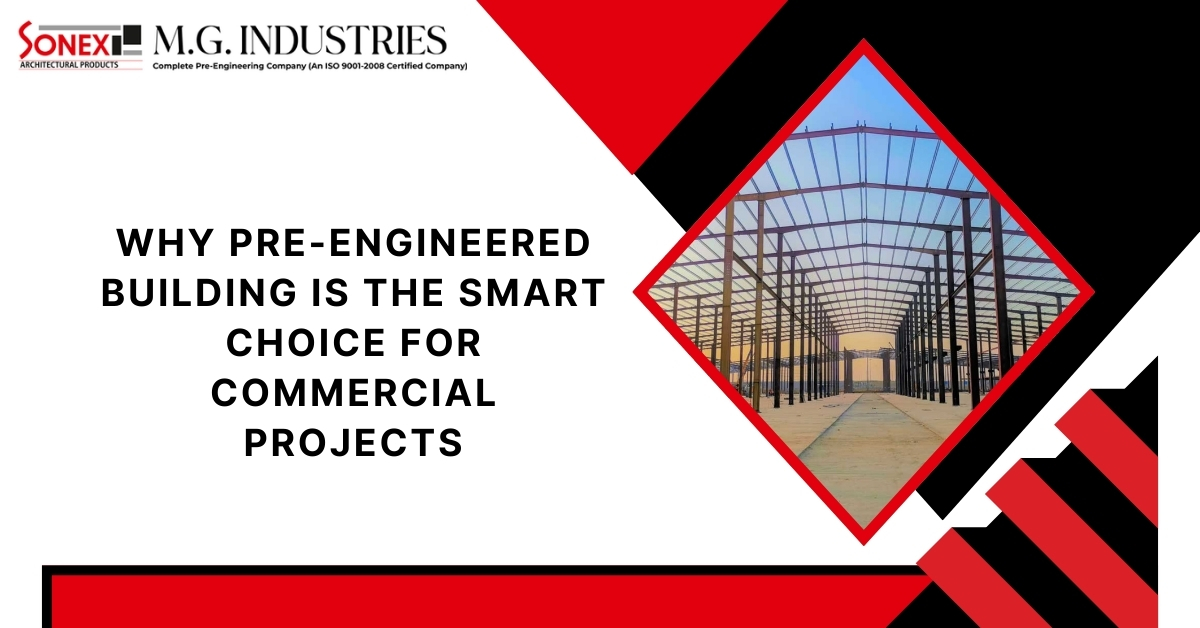
In today's fast-paced commercial world, companies seek construction solutions that combine speed, cost-efficiency, durability, and flexibility. Traditional construction methods often struggle to maintain these demands, especially for commercial projects such as godowns, factories, retail complexes, and office spaces. This is where the concept of a former engineer building (PEB) emerges as a transformative solution. A pre-engineered building is designed, coined, and assembled in a well-organized manner, ensuring efficiency and high performance. For commercial enterprises, this model of construction provides benefits that make it a smart option in modern times.
Understanding Pre-Engineered Building for Commercial Spaces
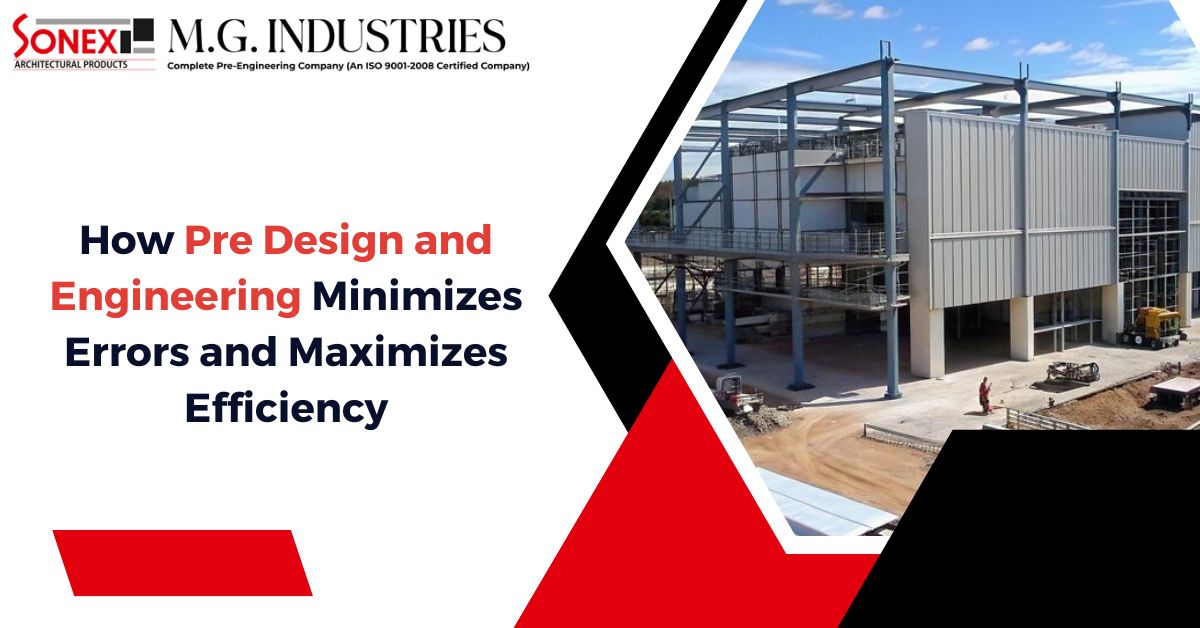
A pre-engineered building is developed using a factory-manual approach where the structure is designed, fabricated, and pre-produced with accurate engineering. The components are then sent to the construction site for assembly. Unlike traditional construction, which is time-intensive and often unexpected, PEBs bring forecasts and reliability in commercial projects. For businesses, this prediction means the risk is reduced, rapid occupancy, and less overall investment.
Faster Construction Timelines for Business Growth
Time is money, especially in the commercial sector, where direct operation and profitability are affected. Pre-engineered buildings are constructed in parallel with the preparation of the site, which significantly reduces the project schedule. For commercial developers and business owners, this rapid delivery allows them to quickly establish operations, reduce downtime, and capitalize on market opportunities without long waiting periods. Compared to traditional concrete structures, PEBS can cut up to 50 percent in construction time, providing competitive benefits to businesses.
Cost Savings and Better ROI
Pre-engineered buildings are smart options for commercial projects; this is one of the major reasons for their cost efficiency. Since the material is fabricated in bulk and standardized, there is a minimum wastage during construction. Labor requirements are also reduced as most of the functions have already been completed in the factory. For business projects such as shopping malls, industrial sheds, or office complexes, it translates into heavy savings. Additionally, the quick project ensures first returns on perfection investment, making PEB highly profitable for developers.
Design Flexibility for Diverse Commercial Needs
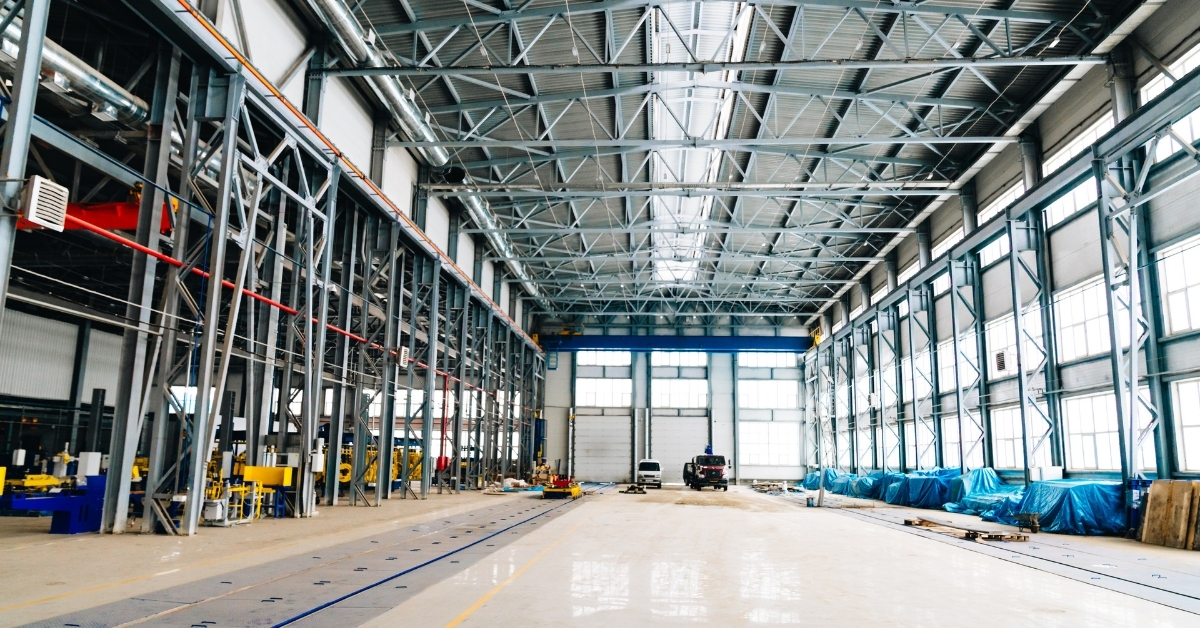
Commercial projects often require unique designs depending on the type of business. A retail store requires attractive aspects, while a warehouse requires maximum floor space with low internal columns. Pre-engineered buildings provide this design flexibility by allowing architects and engineers to include customized layouts without compromising the structural integrity. Large clear spans, mezzanine floors, and modern architectural aesthetics can easily be obtained with PEB. This adaptability ensures that businesses get an accurate location, which is necessary for them for operational efficiency.
Durability and Strength for Long-Term Use
For commercial property owners, longevity is important. Pre-engineered buildings are made using high-quality steel and modern construction techniques that increase durability. These structures are designed to face harsh weather conditions, seismic activities, and heavy use. PEBs prove to be highly flexible in industries such as logistics, retail, and manufacturing, where continuous operations demand reliability. This durability not only reduces the cost of maintenance but also ensures uninterrupted commercial performance.
Sustainability and Green Building Advantages
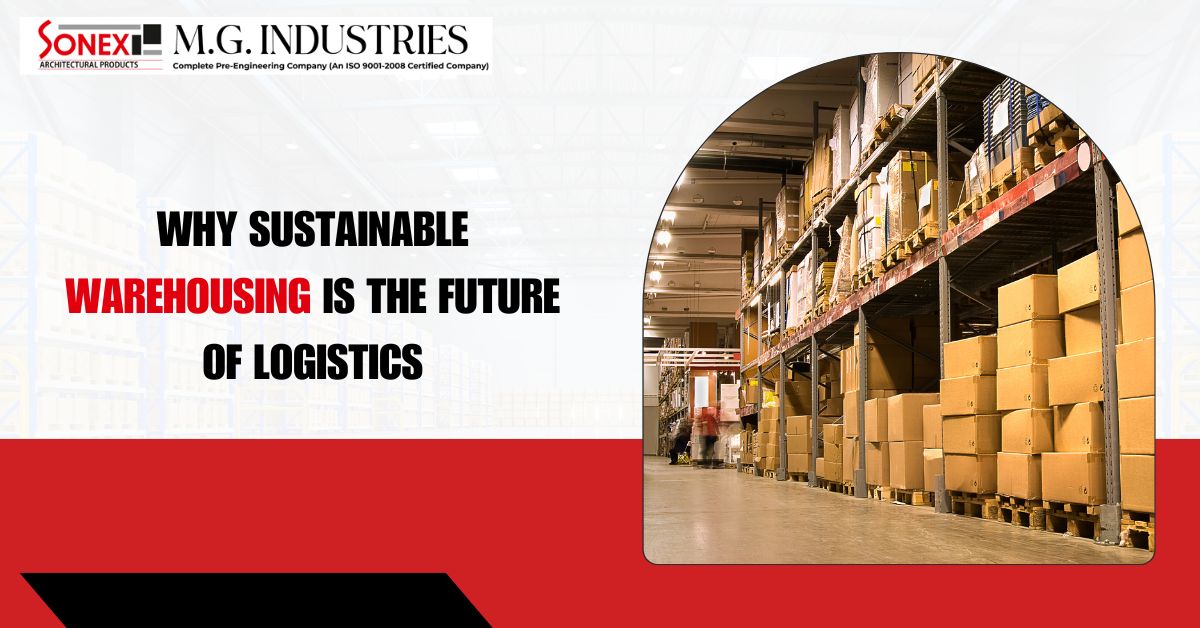
As the world moves towards permanent construction, pre-engineered buildings provide an environmentally friendly solution. The steel used in pebs is recycled, and the construction process reduces the material wastage. Additionally, features such as an energy-efficient roof, insulation, and solar panel integration can be included to reduce energy consumption. Commercial projects such as office parks, cold storage facilities, and malls benefit from low operating costs and reduce carbon footprints when using PEB. It aligns businesses with global stability goals, promoting their brand image as environmentally responsible enterprises.
Energy Efficiency for Cost Reduction
Commercial projects often consume high amounts of energy, which gives priority to energy efficiency. Pre-engineered buildings can be designed with advanced roof and cladding systems that provide excellent insulation and temperature control. It reduces dependence on heating and cooling systems, reducing electricity bills. For warehouses, factories, or shopping centers, long-term operating savings from energy-skilled PEBs can be sufficient, which can ensure low overhead costs and increased profitability.
Low Maintenance and Operational Reliability
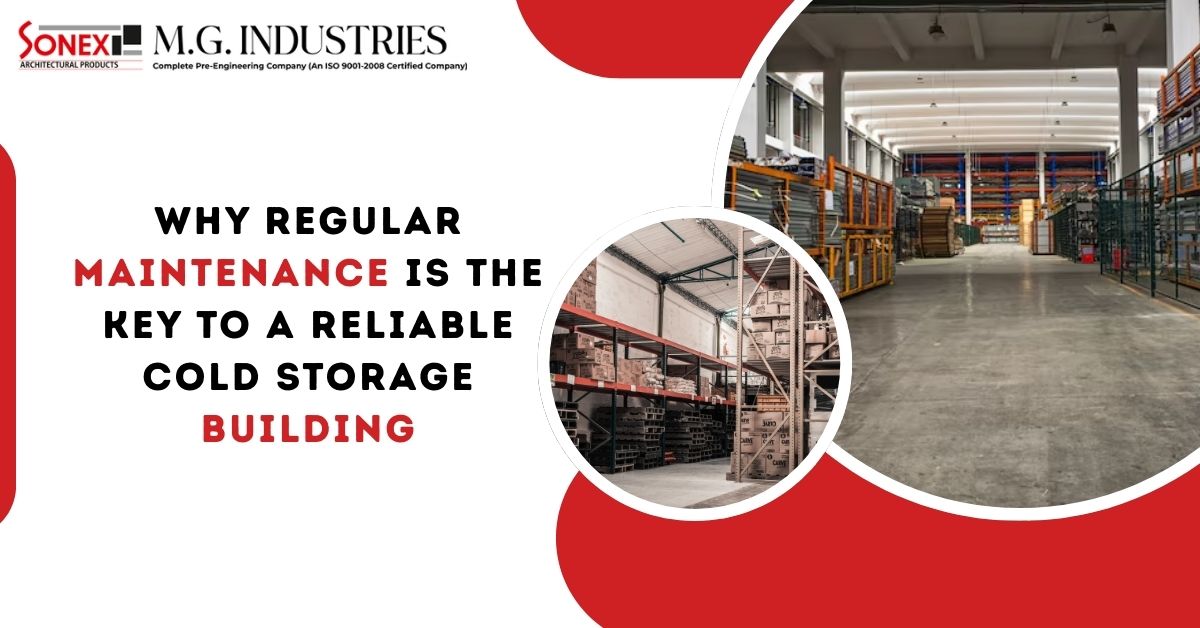
Traditional buildings often require frequent maintenance, which can disrupt business activities. Pre-engineered buildings, however, are designed for low maintenance due to their high-quality steel structures and corrosion-resistant coatings. This ensures reliability for commercial projects where uninterrupted operations are necessary. For example, in logistics and warehousing, there may be a disruption of the supply chain from the downturn caused by maintenance. PEBS solves the issue by offering strong, low-maintenance buildings that support long-term trade continuity.
Meeting the Demands of Modern Urbanization
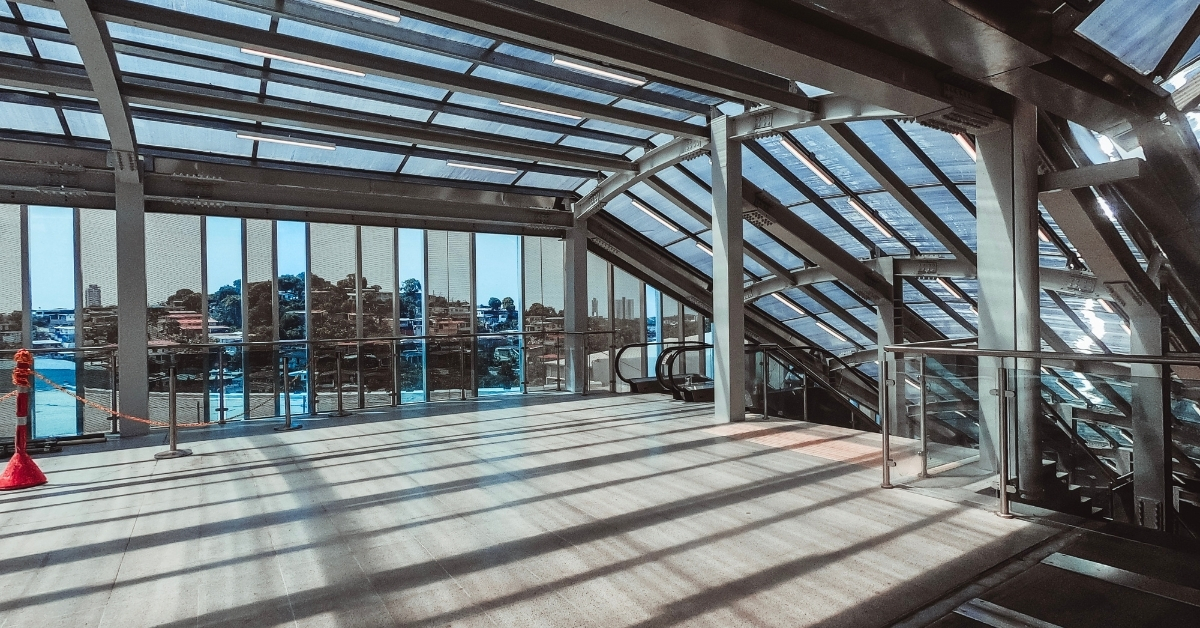
There is are rapid expansion in urban areas, and businesses require construction solutions that can be compatible with limited locations, meeting growing demands. Pre-engineered buildings are ideal for urban commercial projects as they allow vertical expansion through mezzanine floors and multi-storey solutions. This flexibility helps developers to adapt the space use in congested cities, keeping the cost control. PEB is deployed as going to modern infrastructure, with the demand for urbanization driving for shopping malls, office complexes, and warehouses.
Pre-Engineered Building and the Future of Commercial Construction
The global construction industry is undergoing a change, and pre-engineered buildings are at the center of this change. For commercial developers, these structures provide unmatched benefits in speed, cost, durability, and stability. Since businesses rapidly demand smart and flexible spaces, PEB will dominate the market. By investing in pre-engineering building solutions, companies can prepare themselves for the future of commercial infrastructure.
Conclusion
Commercial construction is no longer about inserting only one building-it is about creating a place that is efficient, cost-effective, durable, and adaptable to modern demands. A former engineer has emerged as the most clever choice for commercial projects by offering building speed, strength, flexibility, and stability. Whether it is a warehouse, an office complex, or a retail center, the advantages of pebs are far from traditional construction methods. As a trusted name in the industry, MG Industries continues to deliver world-class pre-engineered building solutions that empower businesses with reliable and future-ready commercial spaces.
Frequently Asked Questions
A pre-engineered building saves time and cost while ensuring durability, flexibility, and sustainability, making it more efficient than traditional methods.
Yes, multi-storey pre-engineered designs can be adapted for commercial complexes, offices, and retail spaces without compromising safety or aesthetics.
PEBs use insulated panels, reflective roofing, and modern cladding systems that reduce heat transfer, lowering electricity consumption in commercial operations.
Yes, PEBs require minimal maintenance due to their high-quality steel and protective finishes, which makes them more reliable for long-term use.
 20/6 Nuchem Compound, Mathura Road, Faridabad.
 sonexdecor@gmail.com
 +91 9599213709