Oil and gas industry is one of the industries that apply the greatest pressure on the components used in this industry because they may be exposed to extreme pressures, corrosive substances and broad ranges of temperature. The safety, efficiency, and environmental protection of these elements depend on the integrity and the longevity of these components. Although casting is one of the essential elements of manufacturing these vital components, the most significant element in determining the ideal performance and the least amount of downtime is the Casting Materials.
1. Carbon Steel Castings: The Industry Workhorse
Balancing Cost and Performance
Carbon steel is arguably the most prevalent material used across the oil and gas industry since it possesses a very good balance between cost, ductility, and strength. Carbon steel is technically an iron-carbon alloy containing a composition of some additional elements whose percentage is variable and determines its properties. For general service use in which extreme corrosion resistance is not the greatest requirement, carbon steel provides hard and uniform performance. It is easy to weld and machine and is simple, so it is a common material utilized, and it is a common material for numerous plain parts in upstream, midstream, and downstream processes.
Versatile Applications Across the Sector
Flanges, valve bodies, pump housings, and pipe fittings are usually cast in one of the many grades of carbon steel. It can also be lengthened with further heat treatments to make it attractive for an outstanding range of pressure-containing and structural uses. Though its resistance to corrosion is limited in comparison to other alloys, it is usually coated for protection or used where corrosion is repressed. Its applicability allows it to be utilized in innumerable applications from onshore pipe line to offshore drilling platforms, demonstrating its substitutability.
2. Stainless Steel Castings: Unrivaled Corrosion Resistance
Superior Defense Against Corrosion
Stainless steel castings are a requirement in the oil and gas industry, particularly in areas where corrosion is high. They are made up of high chromium composition that forms a protective passive layer on their surface, protecting them against oxidation and other corrosive media. Self-repairing protective layer is the reason behind their endurance in harsh environments, preserving the long-term integrity of critical equipment and preventing costly failure by corrosion.
Grades for Every Challenge: Austenitic to Duplex
There are many stainless steel families with unique advantages. Austenitic stainless steel such as 304L and 316L are widely used due to the excellent corrosion resistance, weldability, and ductility in seawater and sour gas exposed equipment. Super duplex and duplex stainless steels possess still greater pitting and stress corrosion cracking resistance, in addition to even higher strength, which is ideal for application offshore and subsea. Martensitic stainless steels provide sufficient hardness as well as strength and are sensibly used in wear-resistant parts like valve trims.
3. Low Alloy Steel Castings: Engineered for Strength
Enhanced Mechanical Properties
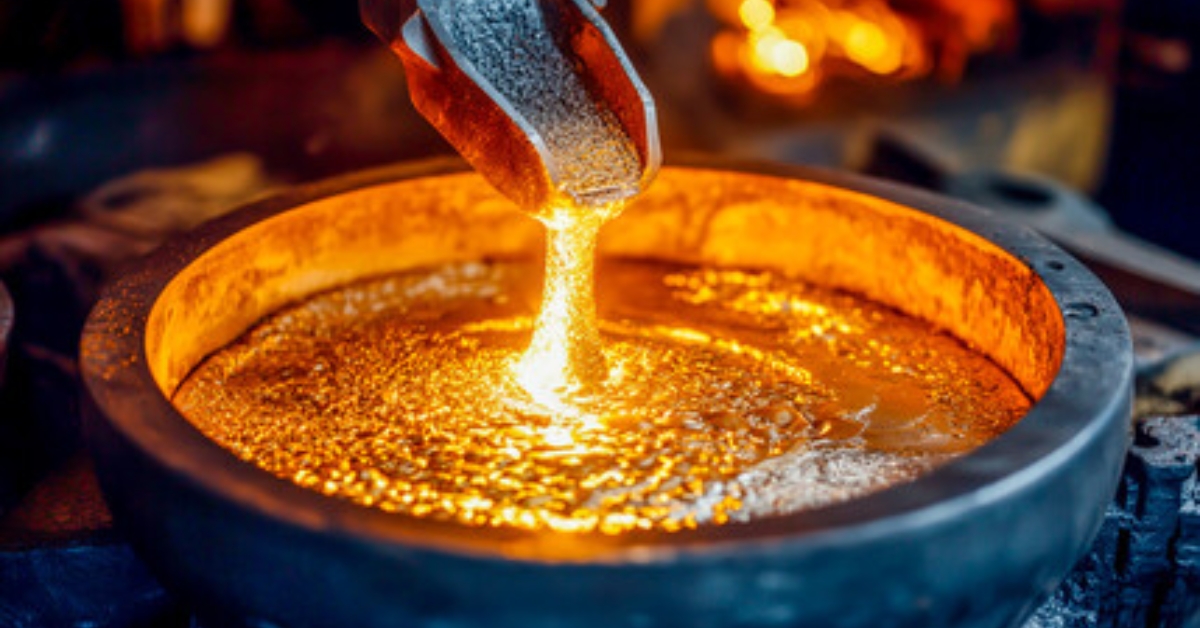
Low alloy steel castings are designed to have higher strength, toughness, and wear properties than plain carbon steels without the expense of even more unusual alloys. Minor additions of elements like manganese, silicon, nickel, chromium, and molybdenum are made in these steels. These additions, usually with some heat treatments, greatly enhance their mechanical properties, i.e., tensile strength, yield strength, and impact toughness, one step better than carbon steel.
Tailored for High-Stress and Extreme Temperatures
This enhanced performance allows low alloy steels to find application for parts that will experience high stress, impact, or abrasive wear, e.g., big gears, shafts, and heavy-duty valve bodies for high-pressure applications. Special grades are suitable for application in cryogenic temperatures, allowing them to be utilized for product application where parts are being used in arctic exposure or for processing liquefied natural gas (LNG). Others are creep-resistance during high-temperature conditions, a requirement for equipment that is used in petrochemical and refining operations, showcasing their durability under harsh conditions.
4. Nickel-Based Alloy Castings: The Ultimate in Performance
Excelling in Extreme Environments
When the operating conditions are very harsh, nickel-based alloy castings are excellence plus in performance. They offer exceptional resistance to corrosion, heat, and high stress. They are able to sustain strength and integrity in extreme aggressive chemicals, elevated temperatures, and severe mechanical stress and thus become the material of preference for the most demanding critical applications where reliability is paramount.
Enhanced Mechanical Properties
Amongst the most used nickel-based alloys are Inconel, Monel, and Hastelloy, with each having certain advantages. In the highly corrosive environments common to marine and chemical processing, Monel alloys offer outstanding performance. Hastelloy alloys have excellent resistance to a broad range of strong acids and oxidizing agents and are utilized in chemical reactors and aggressive processing equipment. Such alloys' operation at a superior level is an affordable price for dependability under the majority of demanding operating situations.
5. Bronze and Brass Castings: Niche and Safety-Critical Roles
The Non-Sparking Safety Solution
While less frequent for primary structure components, bronze and brass castings fulfill significant niches in their own right. These two copper-base alloys are extremely prized due to their non-sparking character, an aspect of safety of the most critical nature. Where flammable vapors or gases exist, the possibility of ignition from sparks produced by ferrous metals represents a serious and genuine concern. Brass and bronze are thus highly appropriate for parts such as safety equipment, fittings, and valves that are used under explosive conditions.
Unique Bearing and Marine Properties
Beyond safety applications, the low-friction and wear-resistant nature of most bronze alloys gives them great bearing qualities. This makes them a top choice for wear plates, bushings, and bearings within pumps and rotating equipment. They also have inherent resistance to seawater corrosion making them suitable to be utilized in subsea equipment and marine operations where galvanic corrosion needs to be controlled. Although lacking the extreme strength of steel, the unique qualities of most alloys impart to them a critical role to play in specific safety-critical and performance-critical applications.
Conclusion
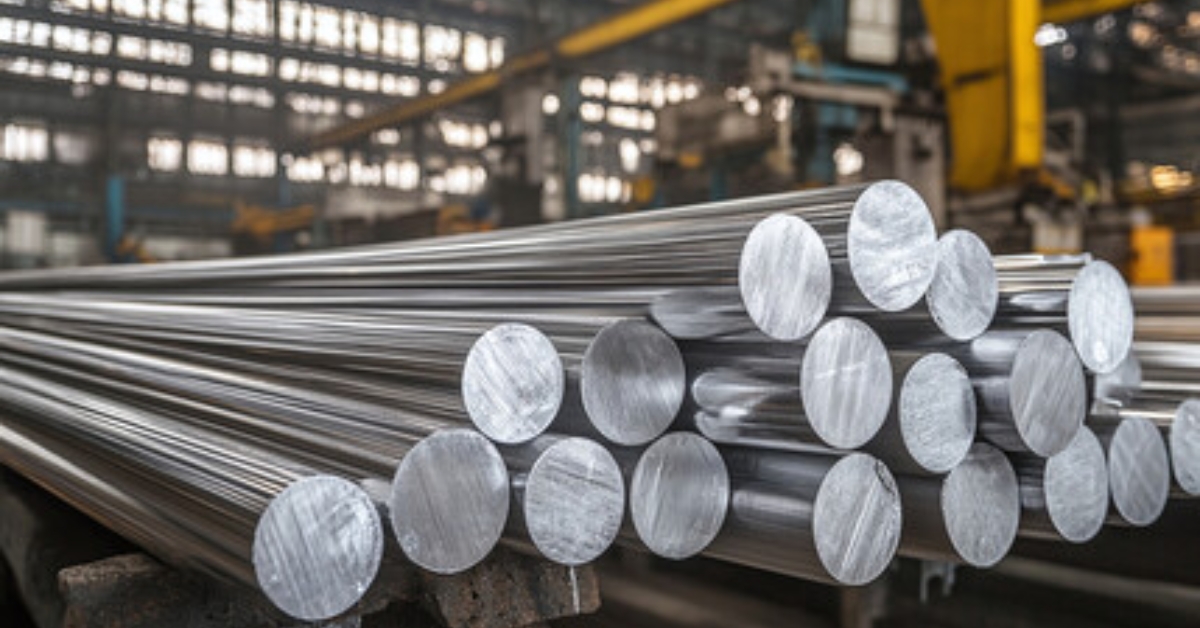
The choice of the castings material in the oil and gas industry is a very technical exercise founded on a good understanding of the working conditions, the performance requirements, and the economics. From the mere strength of the carbon steel to the very high toughness of the nickel-based alloys and to the special properties of the bronze and brass, all play the crucial role to provide the essential function to provide safe, efficient, and reliable operation of mission-critical infrastructure. The research in materials science is continually pushing the capability of these alloys to record-breaking levels, opening up new doors for the industry. Businesses such as MG Industries are leading the way when it comes to producing high-performance cast parts, using their skills to supply the stringent specifications required by this vital global industry.
 20/6 Nuchem Compound, Mathura Road, Faridabad.
 sonexdecor@gmail.com
 +91 9599213709