As the construction industry continues to evolve, metal roofing and cladding systems are taking center stage in defining the look, performance, and sustainability of modern commercial buildings. Once chosen purely for durability, these materials now represent the perfect balance of function and design. In 2026, innovation, energy efficiency, and sustainability are driving a new wave of trends that are transforming how architects and developers approach building envelopes.
The Rise of Sustainable Metal Solutions
Sustainability remains the most significant factor influencing construction material choices in 2026. Metal roofing and cladding systems are now designed with eco-friendly manufacturing processes and recyclable materials. Aluminum and steel panels, for example, can be reused and repurposed, reducing construction waste. Many manufacturers are focusing on low-emission coatings and finishes that enhance performance while minimizing environmental impact. Moreover, cool roof technologies that reflect solar heat are gaining traction, helping reduce building energy consumption and contributing to green certifications such as LEED.
Energy Efficiency Through Cool Roof Technology
Energy efficiency continues to be a top priority in commercial construction, and cool metal roofing is leading the charge. These advanced roofing systems use reflective coatings to reduce heat absorption, keeping interiors cooler during hot months. As a result, HVAC systems operate more efficiently, leading to lower energy costs and improved indoor comfort. In 2026, advancements in coating technology, such as infrared-reflective pigments, are further enhancing this capability, allowing metal roofs to maintain their aesthetic appeal while improving performance.
Integration of Solar Roofing Systems
Another major trend shaping metal roofing and cladding is the integration of solar-ready and photovoltaic (PV) systems. As commercial buildings increasingly adopt renewable energy, metal roofs have become the ideal platform for solar installations. The long lifespan, structural strength, and smooth surface of metal roofs make them compatible with both traditional solar panels and emerging solar-integrated systems. The combination of solar energy generation with durable metal roofing provides a dual advantage—reducing operational costs and supporting sustainability goals.
Bold Aesthetics and Customization Options
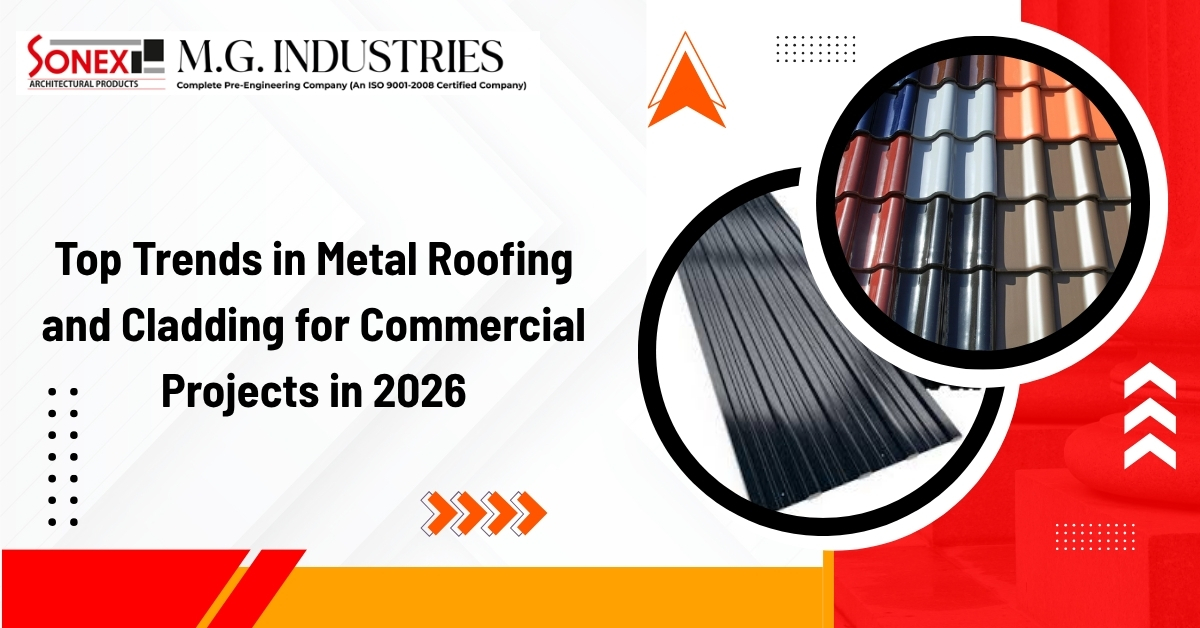
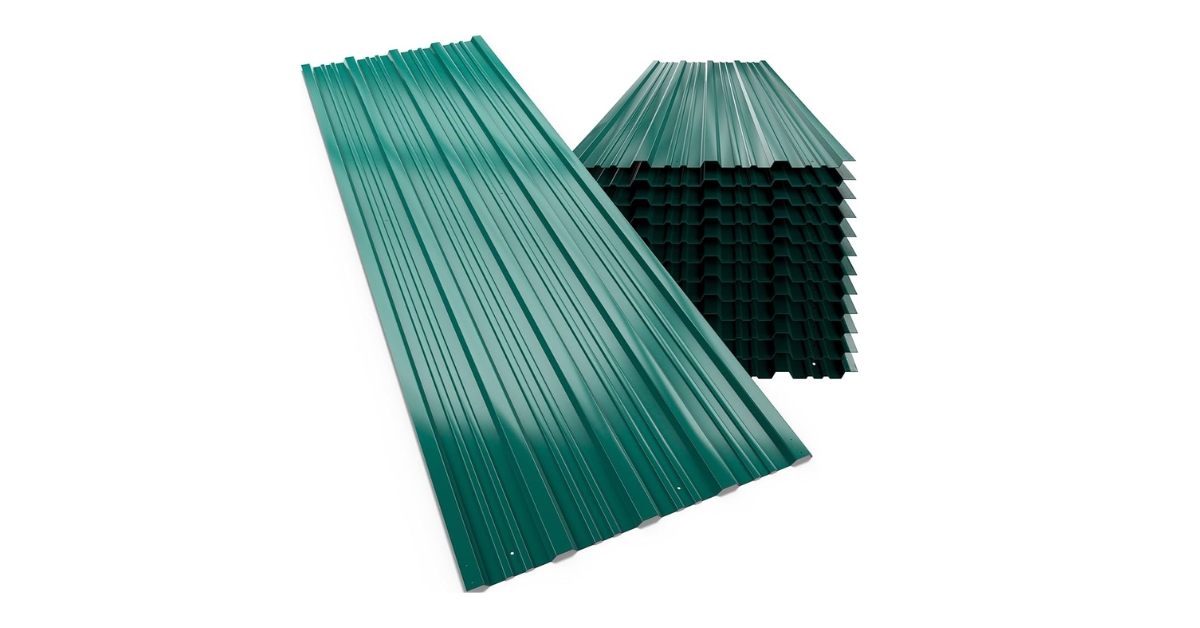
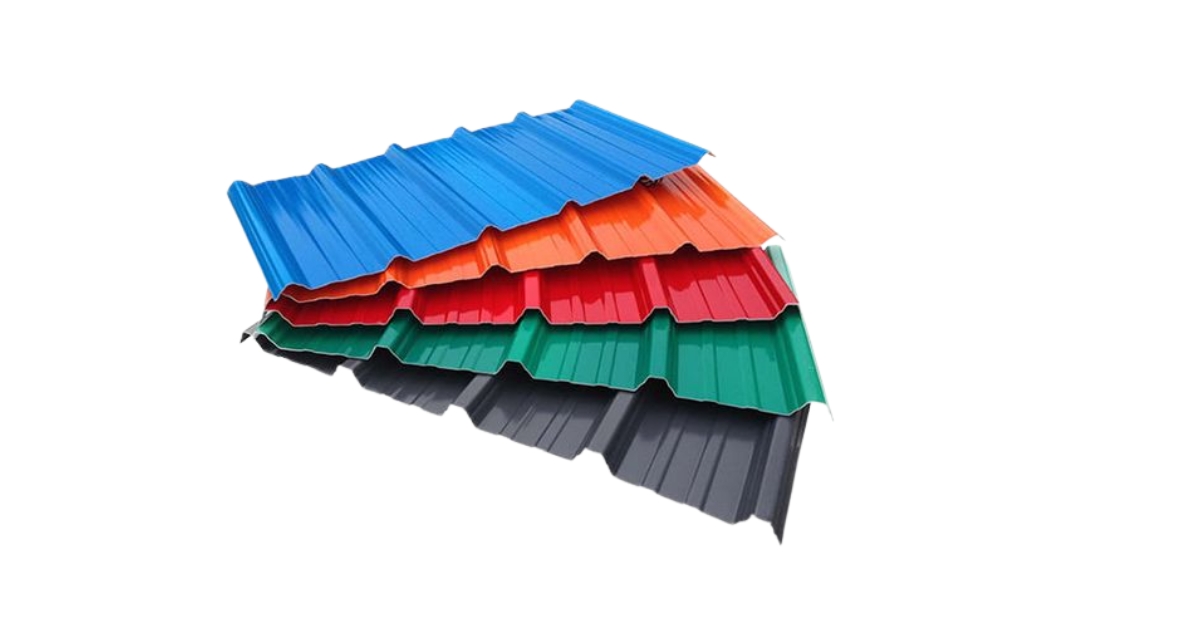
Gone are the days when metal roofing and cladding were limited to industrial grey. In 2026, aesthetic innovation is at its peak. Architects and developers now have access to a diverse range of finishes, textures, and colors, enabling them to align building design with brand identity and modern architectural trends. From matte finishes to metallic hues and woodgrain textures, metal cladding is being used as a design statement. Additionally, modular panel systems allow for creative patterns and dimensional effects that enhance the building’s visual impact. This trend signifies a growing appreciation for metal as not just a practical material, but a medium for artistic expression in commercial architecture.
Enhanced Weather Resistance and Longevity
With climate change intensifying weather patterns, the demand for high-performance roofing and cladding systems that withstand extreme conditions is growing. In 2026, innovations in coating technologies and material engineering are making metal panels more resistant to corrosion, UV radiation, and moisture. Advanced protective layers like PVDF (Polyvinylidene Fluoride) coatings ensure color retention and surface protection for decades. These improvements make metal systems especially suitable for coastal, industrial, and high-heat environments, ensuring long-term performance with minimal maintenance.
Lightweight and High-Strength Material Development
Modern commercial structures require materials that are both strong and lightweight to enhance load efficiency and construction speed. The development of new steel and aluminum alloys has made metal roofing and cladding lighter yet stronger. This has not only simplified transportation and installation but also reduced structural costs for buildings. The balance between strength and weight has made metal the preferred choice for multi-storey buildings, warehouses, and large-span commercial projects.
Focus on Acoustic and Thermal Performance
Acoustic comfort and thermal insulation are becoming increasingly important in commercial projects. Metal roofing and cladding systems are being paired with advanced insulation layers to minimize noise from rain, machinery, or nearby traffic. Meanwhile, insulated metal panels (IMPs) combine exterior and interior layers of metal with a core insulating material, delivering exceptional thermal performance. These panels not only regulate indoor temperature but also improve energy efficiency and sound control, making them a comprehensive building solution.
Modular and Prefabricated Construction Integration
The rise of modular construction methods is closely linked to the popularity of metal roofing and cladding. Prefabricated panels can be manufactured with precision and installed quickly on-site, reducing labor costs and construction time. In 2026, more companies are adopting modular metal panels for large commercial and industrial buildings. This approach not only improves construction efficiency but also ensures higher quality control and reduces material waste. As urban development accelerates, modular metal systems are helping meet the demand for faster, cleaner, and more efficient construction practices.
Smart Coatings and Self-Cleaning Technologies
Technological innovation in coatings is another exciting trend. Metal roofing and cladding systems now feature self-cleaning coatings that use nanotechnology to repel dirt, dust, and pollutants. These coatings also prevent water stains and corrosion, maintaining the material’s pristine appearance over time. Some advanced coatings are even designed to adapt to changing environmental conditions by enhancing reflectivity or resistance as needed. This level of intelligence in building materials marks a major step forward in sustainable and low-maintenance architecture.
Emphasis on Fire Safety and Building Compliance
As safety regulations become stricter, fire-resistant construction materials are a top priority for commercial developers. Metal roofing and cladding systems inherently offer superior fire resistance compared to traditional materials like wood or plastic composites. In 2026, metal systems are being designed to comply with advanced safety codes, offering high fire ratings without compromising on design or performance. This trend aligns with growing awareness about risk mitigation in commercial infrastructure.
Conclusion
The evolution of metal roofing and cladding systems in 2026 reflects the construction industry’s commitment to sustainability, efficiency, and innovation. From solar integration to aesthetic customization and intelligent coatings, these materials are transforming the way commercial buildings are designed and maintained. As architecture continues to blend functionality with environmental responsibility, metal systems stand at the forefront of progress. Their ability to combine strength, beauty, and sustainability ensures they remain the go-to choice for forward-thinking developers and architects. For durable, energy-efficient, and aesthetically refined roofing and cladding solutions, MG Industries continues to lead the way with cutting-edge products that define the future of modern construction.
 20/6 Nuchem Compound, Mathura Road, Faridabad.
 sonexdecor@gmail.com
 +91 9599213709