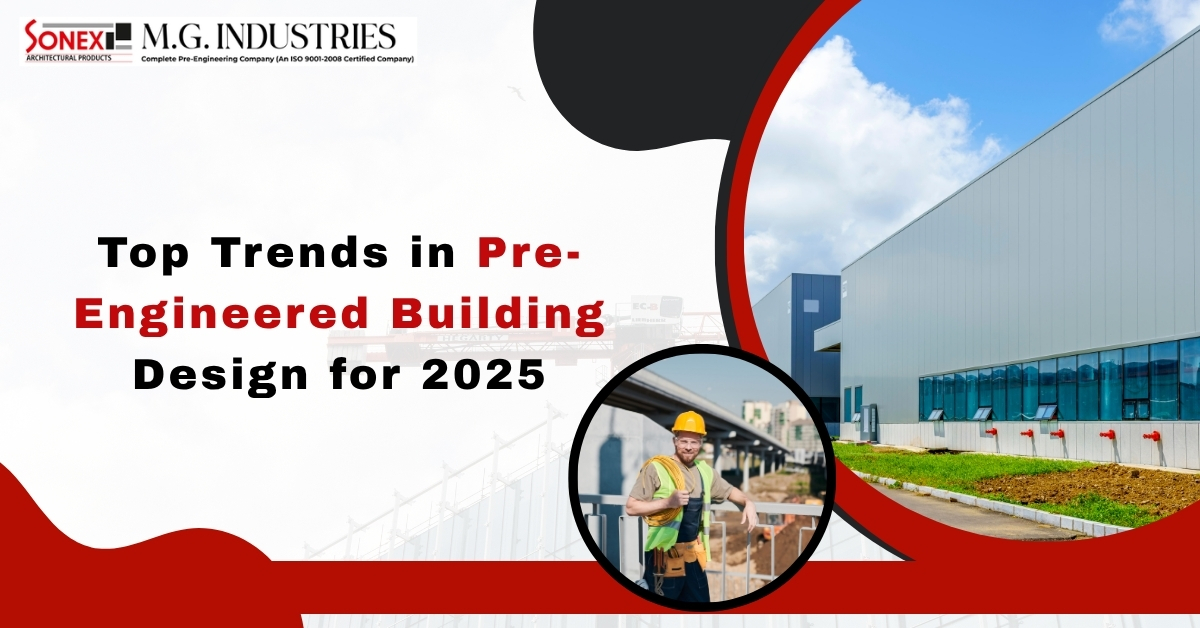
The construction industry has witnessed a remarkable transformation over the last decade, with pre-engineered buildings (PEBs) emerging as a preferred solution for commercial, industrial, and institutional projects. As businesses look for faster, cost-efficient, and sustainable construction methods, PEBs have become the answer to these evolving demands. In 2025, the design of pre-engineered buildings is expected to reflect technological innovation, environmental responsibility, and flexibility to meet diverse functional needs. These trends are not only redefining how structures are built but also how they contribute to long-term efficiency and growth.
Growing Demand for Sustainable Construction
One of the most prominent trends shaping pre-engineered building design in 2025 is sustainability. Companies across industries are increasingly adopting eco-friendly practices, and PEBs are well-suited to support this shift. Designers are incorporating energy-efficient roofing, better insulation, and natural lighting solutions to reduce operational energy costs. Materials used in PEB construction, primarily steel, are recyclable, making them an environmentally responsible choice. The integration of solar panels and advanced ventilation systems is also on the rise, allowing PEBs to meet green building standards while reducing carbon footprints.
Integration of Smart Technologies
Technology is at the heart of the modern construction landscape, and pre-engineered buildings are no exception. In 2025, smart technologies are being integrated into PEB design to enhance operational efficiency and building performance. From automated climate control and energy monitoring systems to IoT-enabled sensors for predictive maintenance, smart technology is enabling PEBs to become more than just physical structures. These innovations not only improve user comfort but also extend the building’s lifespan by identifying issues before they become costly problems. The shift towards smart-enabled PEBs is making them a preferred choice for industries that value real-time control and long-term sustainability.
Increased Focus on Aesthetics and Design Flexibility
Pre-engineered buildings were once associated mainly with functionality, often perceived as plain or industrial in appearance. However, 2025 marks a growing focus on aesthetics and customization in PEB design. Industries now demand buildings that not only serve operational purposes but also reflect brand identity. Designers are offering a wide range of exterior finishes, color schemes, and architectural elements to make PEBs more visually appealing. From sleek modern facades to eco-friendly landscaping integration, today’s PEBs combine form and function. This flexibility ensures that PEBs can seamlessly fit into urban landscapes, industrial parks, or commercial spaces while maintaining a professional look.
Emphasis on Vertical Expansion and Multi-Storey Designs
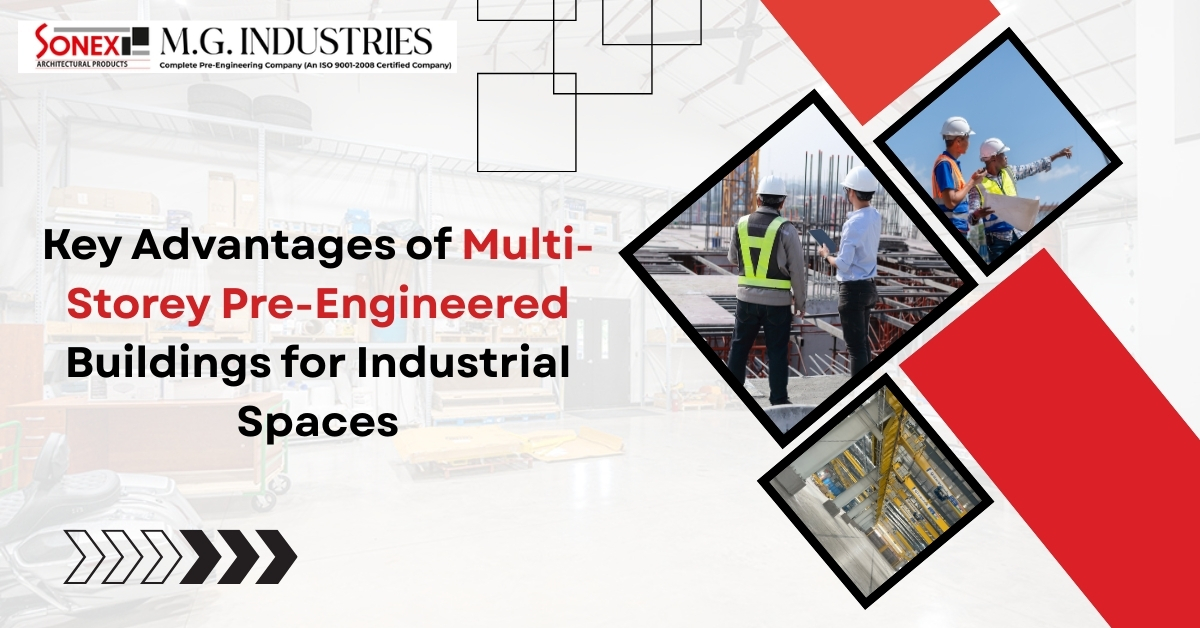
With land costs rising, especially in urban areas, vertical expansion is becoming a dominant trend in pre-engineered building design. Multi-storey PEBs are gaining traction as they maximize space utilization without the need for additional land. These buildings are ideal for industries such as warehousing, logistics, manufacturing, and retail that require extensive storage or operational space. The clear-span design of PEBs, which minimizes internal columns, allows for flexible interior layouts suitable for diverse applications. By offering the possibility of building upwards, PEBs provide businesses with scalable infrastructure to support growth.
Faster Project Delivery and Modular Construction
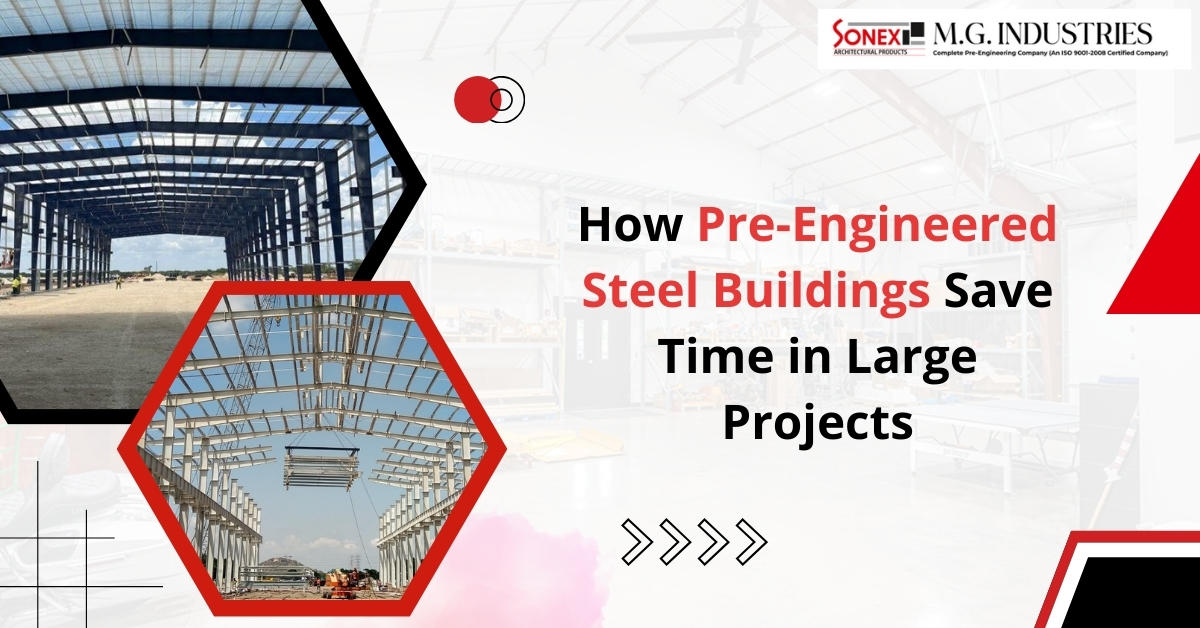
Time efficiency continues to be one of the biggest advantages of pre-engineered buildings, and in 2025, this benefit is amplified by the adoption of modular construction techniques. PEB components are prefabricated in controlled factory environments, ensuring high precision and quality. These modules can then be quickly assembled on-site, reducing construction timelines significantly compared to traditional building methods. For industries where operational readiness is critical, such as logistics hubs or manufacturing plants, faster delivery ensures that businesses can begin operations without costly delays. This trend also highlights the growing shift toward lean construction methods, which reduce waste and optimize resources.
Enhanced Structural Strength and Safety
Another key trend in 2025 is the focus on improving structural resilience in pre-engineered buildings. As industries face challenges like seismic activity, extreme weather conditions, and higher operational loads, PEBs are being designed with stronger steel frameworks and advanced engineering practices. Fire-resistant coatings, improved wind bracing systems, and earthquake-resistant designs are becoming standard features. These advancements not only enhance safety but also extend the lifespan of buildings, providing industries with reliable infrastructure that supports long-term operations without frequent reinforcements or repairs.
Energy-Efficient Roofing and Cladding Innovations
Roofing and cladding systems play a vital role in the performance of pre-engineered buildings, and innovations in this area are driving major changes in 2025. Insulated roofing panels, reflective coatings, and ventilated cladding systems are helping industries reduce energy consumption by maintaining optimal indoor temperatures. These innovations are especially beneficial for warehouses, cold storage facilities, and factories that require controlled environments. By investing in advanced roofing and cladding solutions, industries not only save on energy bills but also ensure a more comfortable and productive workspace.
Digitalization in Pre-Design and Engineering
The role of digital technology in pre-design and engineering is another trend shaping PEBs in 2025. The use of Building Information Modeling (BIM) and advanced 3D design tools allows architects and engineers to create highly accurate designs before construction begins. This minimizes errors, reduces rework, and ensures smoother coordination between stakeholders. Digitalization also enables better cost estimation, project tracking, and collaboration. For industries, this translates into more predictable project outcomes and improved overall efficiency.
Globalization of Design Standards
As businesses expand across borders, there is a growing need for consistency in building standards. Pre-engineered building manufacturers in 2025 are focusing on adopting global best practices to meet international standards. This ensures that PEBs can be used seamlessly across different regions while maintaining compliance with safety, sustainability, and functional requirements. The globalization of design standards also means that companies can invest in infrastructure that aligns with both local and international expectations, giving them a competitive edge in expanding markets.
Conclusion
The year 2025 represents a turning point for pre-engineered building design, as it moves beyond its traditional identity of being simply functional to becoming smarter, more sustainable, and highly adaptable. From sustainable materials and smart technology integration to multi-storey expansion and modular construction, PEBs are evolving to meet the growing demands of modern industries. They now offer a combination of durability, speed, aesthetics, and cost-efficiency that makes them ideal for a wide range of applications. As industries continue to adapt to market changes and rising expectations, pre-engineered buildings will remain central to industrial and commercial development. Companies that adopt these advanced PEB solutions will not only save costs and time but also secure infrastructure that is future-ready. Leading providers like MG Industries are at the forefront of delivering these cutting-edge pre-engineered building solutions, ensuring that businesses benefit from innovation, quality, and long-term reliability.
 20/6 Nuchem Compound, Mathura Road, Faridabad.
 sonexdecor@gmail.com
 +91 9599213709